
- Kitchen
How to Choose Kitchen and Bathroom Remodelers in Canada: A Homeowner’s Guide
- By matin@quayconstruction.ca
Table of Contents
You’ve pinned the perfect kitchen on Pinterest, but the path from “before” to “after” can feel overwhelming. Your first real decision isn’t about tile or faucets—it’s choosing who will lead the project. This guide maps out how to hire a remodeling contractor, starting with your most fundamental choice.
So, what’s the difference between a design-build firm vs a general contractor? A design-build firm is essentially a one-stop-shop, handling both the design vision and the physical construction in-house. A general contractor (GC) is the expert you hire to execute plans made by a separate architect or designer.
This choice determines your role in the process. Do you want a single point of contact for everything, or do you prefer to manage the design and build phases separately? Understanding this distinction is the key to finding the right kitchen and bathroom remodelers to bring your vision to life.
Beyond a Basic Search: How to Find Reputable Local Remodelers
A quick online search for remodelers can be overwhelming. Instead of sorting through ads, find trustworthy local companies by starting with established networks. The best professionals are often busy with word-of-mouth projects, not just flashy advertising.
Focus your search on these three powerful sources for vetted professionals:
- Personal Referrals: Ask friends, family, or neighbors who they’ve hired and loved. Nothing beats a first-hand recommendation.
- Professional Associations: Organizations like the Canadian Home Builders’ Association (CHBA) have member directories. The benefits of hiring a licensed contractor from these lists are clear—they must meet strict standards for insurance and conduct.
- Local Building Supply Stores: The staff at the contractor’s desk see which remodelers are busy, professional, and reliable every single day.
These sources provide a powerful head start with a pre-qualified list. Once you have a few promising names, the next step is to begin the vetting process.
The Vetting Process: 7 Critical Questions to Ask Before You Hire
With a shortlist of remodelers from your search, you’re ready to start the conversation. This interview stage is about more than just getting a price; it’s your chance to vet their professionalism and ensure they are the right fit for your home. A prepared, reputable contractor will expect and welcome your questions.
When vetting home improvement contractors, be sure to ask these seven critical questions before you hire:
- Can I see your license and proof of insurance?
- Can I speak with your last two clients?
- Who will be my main point of contact?
- How do you handle project changes?
- What is your estimated timeline for a project like mine?
- What does your payment schedule look like?
- Do you provide a detailed written contract for all work?
That first question is the most important for your protection. “Proof of insurance” must include two key things. First is Liability Insurance, which protects your home from accidental damage—if a pipe breaks and floods your floor, their policy covers it, not yours. Second is WCB/WSIB (Workers’ Compensation) coverage, which ensures if a worker is injured on the job, their medical costs are covered without you being held responsible. Any hesitation to provide these documents is an immediate red flag.

What Remodels Really Cost: Budgeting Beyond the Obvious in Canada
It’s easy to budget for the new vanity and tile you can see, but those materials are only part of the story. The biggest line item in any renovation is often labor, which can easily be 40% to 60% of your total bill. This covers the expertise and time for everything from demolition and waste disposal to the flawless installation of your new fixtures.
To prepare for the unexpected, every smart budget must include a contingency fund. Think of this as a 15-20% financial safety net for surprises you can’t see, like discovering old water damage behind a wall or needing to update faulty wiring. This fund prevents a small setback from becoming a major crisis that derails your whole project.
The average cost to renovate a bathroom in Canada for a typical mid-range project is between $15,000 and $25,000. While a significant investment, it delivers a strong bathroom remodel return on investment of 50-70% when you eventually sell your home. A complete, realistic budget is your best tool for success.
Decoding Your Contract: 3 Non-Negotiable Sections That Protect You
Once your budget is set, the contract locks it in. The most crucial part is the “Scope of Work”—the project’s detailed rulebook. It must list every task and material model, from the faucet to the grout color. This level of detail prevents costly misunderstandings about what’s included in the price and is one of the most vital remodeling contract essentials.
A fair payment schedule ties payments to completed milestones (e.g., “after demolition”), not dates. This ensures you only pay for finished work and keeps the project on track. Paying too much upfront is a common mistake that removes the incentive for completion.
A change order is for when plans shift. If you add a task or a surprise pops up, this document outlines the new work and its cost. Always get a signed Change Order before work proceeds to approve the new price and prevent surprise bills.
Your Home is Now a Construction Zone: What to Realistically Expect
With the contract signed, the next phase of the timeline for a complete kitchen overhaul begins: demolition. Be prepared for a period of significant noise and dust. Your home is officially a worksite. A professional remodeler will take steps to contain the mess with plastic dust barriers and floor protection, but you should still anticipate some disruption to your daily life.
Once the space is a blank slate, the critical “rough-in” stage starts. This is where all the unseen but essential work happens—moving plumbing, running new electrical wiring, and modifying framing. This behind-the-walls phase is the foundational skeleton of your new room; getting it right is crucial for ensuring everything functions perfectly later on.
Before the new drywall goes up, an inspector often visits to check this rough-in work. This inspection is a positive part of the process, ensuring new systems are safe, up to code, and that your investment is protected. Skipping this is a common but costly mistake, so view it as a valuable quality check.
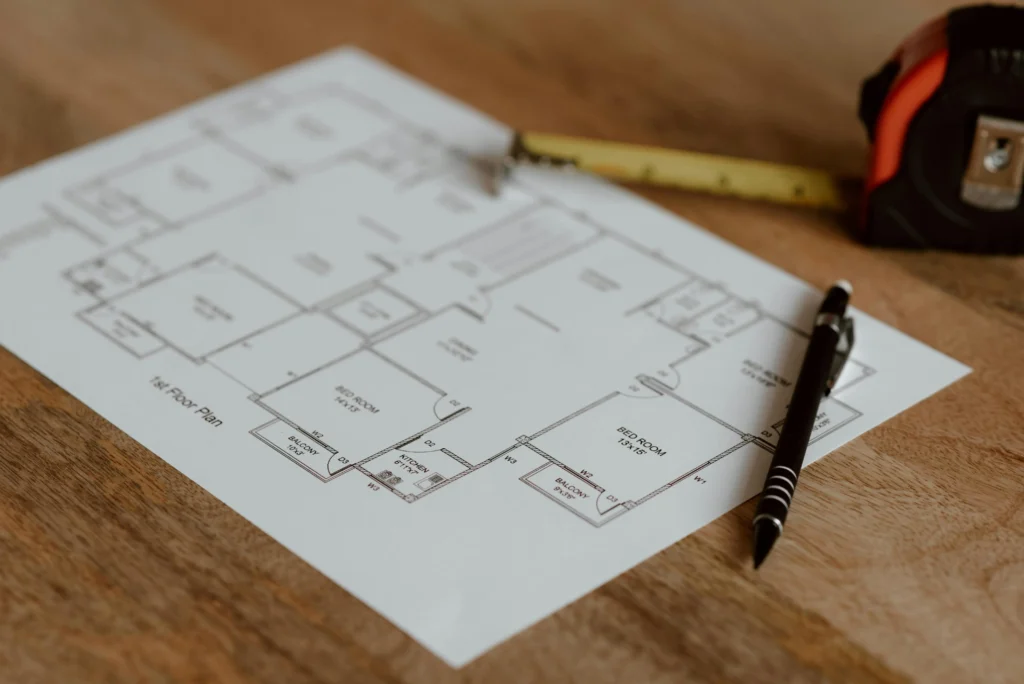
Your Renovation Action Plan: Hire Your Remodeler with Confidence
You’re no longer just dreaming of a new space; you have a roadmap. The anxiety of hiring kitchen and bathroom remodelers is replaced by a clear, manageable process you now control.
Your 3-Step Action Plan:
- Define & Budget: Clarify your vision and set a realistic budget with a contingency.
- Find & Vet: Gather 3-5 names from trusted sources and ask the critical questions.
- Contract & Confirm: Review the detailed contract before signing and confirm the timeline.
This kitchen renovation planning guide empowers you to turn chaos into confidence. Start today with one simple action: create your project ‘must-have’ list. It’s the first exciting step toward the home you deserve.