- Kitchen, Renovations
Warm vs Cool Paint Colors: How to Choose the Right Benjamin Moore Palette
- By matin@quayconstruction.ca
Table of Contents
Warm vs Cool Paint Colors: How to Choose the Right Tone
Understanding the difference between warm and cool tones is one of the most important steps in choosing the right paint color for any renovation.
The concept of warm vs cool paint colors goes beyond simple preference. It directly affects how a space feels, how materials interact, and how light behaves within the room.
For homeowners planning a kitchen renovation Vancouver, selecting the right tone is essential to creating a cohesive and balanced design.
Many homeowners begin by reviewing kitchen renovation Vancouver project planning guidance to understand how paint tones integrate with cabinetry, lighting, and overall layout.
What Are Warm and Cool Paint Colors?
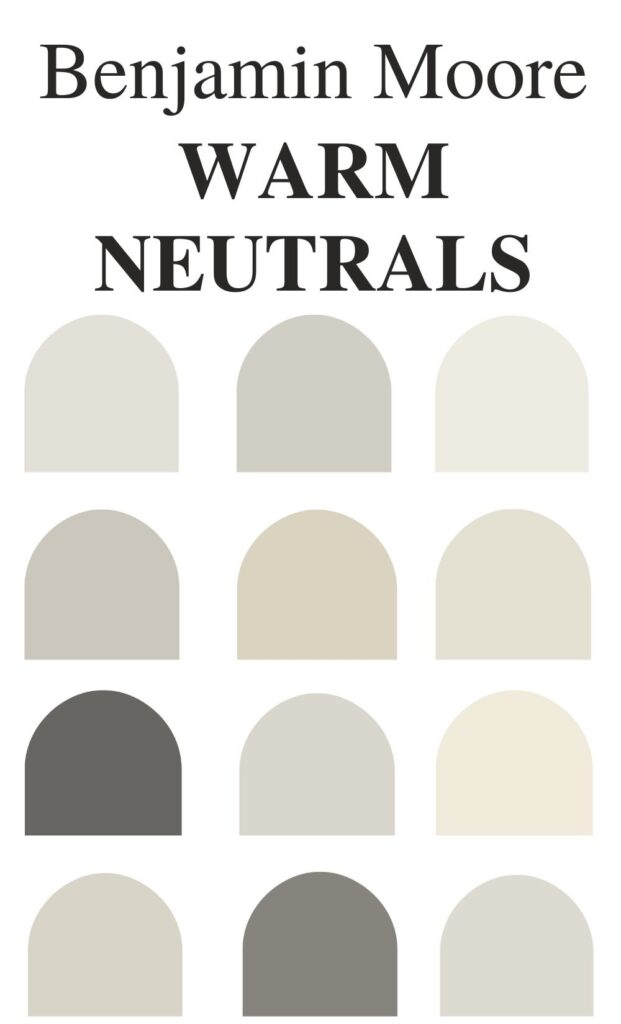
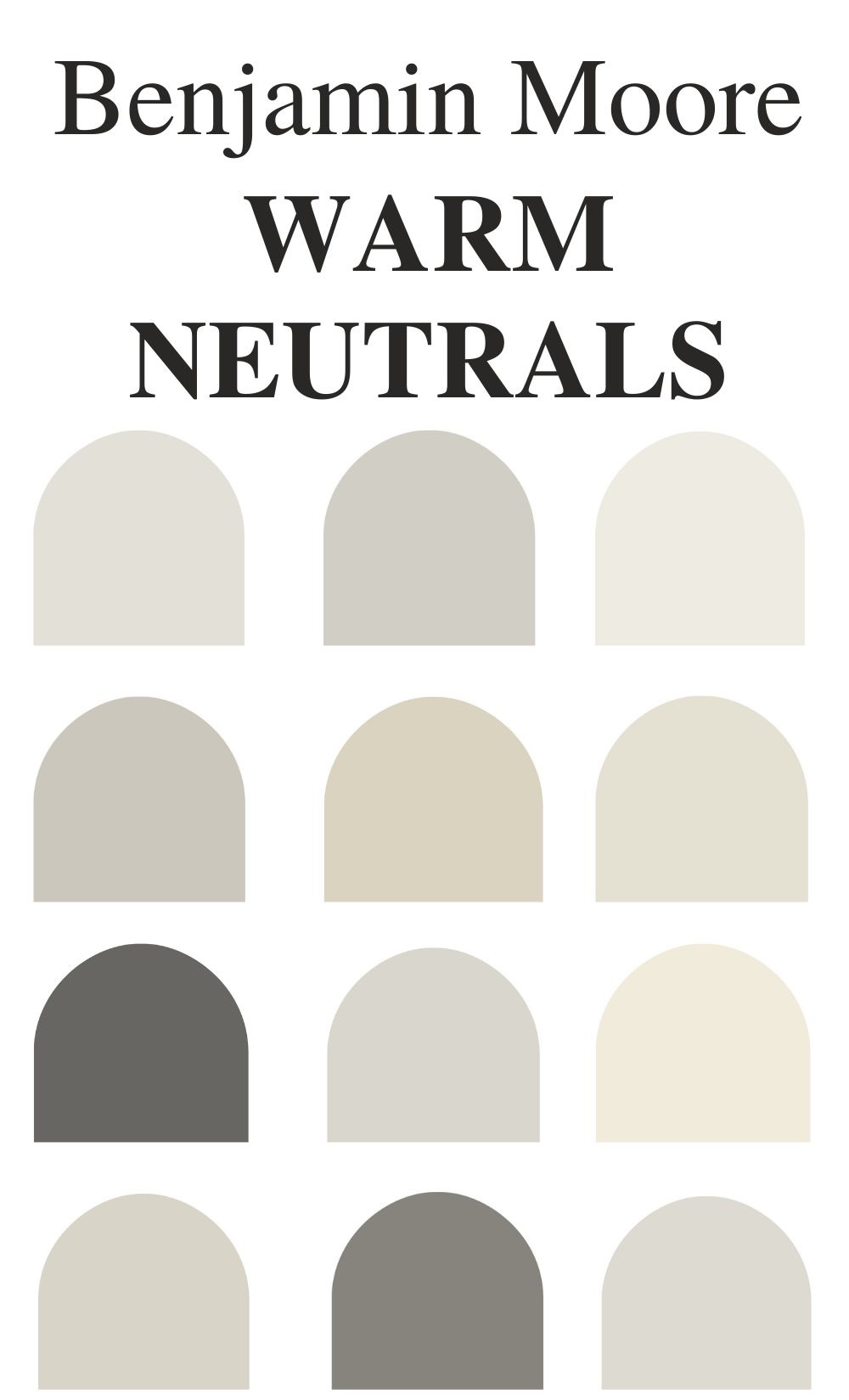
Warm and cool paint colors are defined by their undertones rather than their primary color.
Warm colors typically include undertones of yellow, red, or beige, which create a softer and more inviting atmosphere.
Cool colors contain undertones of blue, gray, or green, which tend to feel cleaner, sharper, and more modern.
This distinction is important because undertones influence how colors interact with natural light and surrounding materials.
Warm vs Cool Paint Colors Comparison
Warm and cool tones perform differently depending on lighting conditions, materials, and overall design intent.
Tone Type | Undertones | Effect on Space | Best Use |
|---|---|---|---|
Warm Colors | Yellow, beige, red | Cozy, inviting, soft | Traditional, transitional kitchens |
Cool Colors | Blue, gray, green | Clean, modern, crisp | Contemporary, minimalist kitchens |
Understanding this comparison helps homeowners choose tones that align with both their aesthetic goals and functional needs.
How Lighting Affects Warm and Cool Colors in Vancouver
Lighting conditions play a major role in how paint tones appear within a space.
In Vancouver, natural light is often softer and cooler, especially during the winter months. This can cause cool colors to appear even more pronounced, while warm tones help balance the overall atmosphere.
Artificial lighting also influences perception. Warm lighting softens colors and creates a more inviting feel, while cooler lighting enhances contrast and can make tones appear sharper.
Testing paint samples under real lighting conditions is essential before finalizing any color decision.
When to Use Warm Paint Colors in Kitchens
Warm paint colors are often used to create a welcoming and comfortable kitchen environment.
They work particularly well in homes with limited natural light because they help soften shadows and add warmth to the space.
Warm tones pair naturally with wood cabinetry, quartz countertops, and brass or gold hardware, creating a cohesive and inviting look.
In many Vancouver homes, warm palettes are used to achieve a timeless kitchen design that feels both functional and visually balanced.
When to Use Cool Paint Colors in Kitchens
Cool paint colors are often chosen for modern and minimalist kitchen designs.
They create a clean and structured look that works well with sleek cabinetry, stainless steel appliances, and contemporary finishes.
Cool tones can also enhance natural light in brighter spaces, helping kitchens feel more open and airy.
However, they require careful balancing to avoid making the space feel too cold or overly sterile.
How to Choose the Right Tone for Your Kitchen
Choosing between warm and cool tones depends on several factors, including lighting conditions, material selections, and overall layout.
Homeowners should evaluate how paint colors interact with cabinetry, flooring, and countertop finishes before making a final decision.
Many homeowners planning a renovation review kitchen renovation Vancouver project planning guidance to ensure that paint tones align with the overall design strategy.
Selecting the correct tone early in the design process helps create a cohesive, balanced, and visually refined final result.

Moisture Considerations in Kitchen Flooring
Moisture exposure is one of the most important factors affecting flooring performance in kitchens.
Water from sinks, dishwashers, cooking activities, and everyday spills can gradually damage flooring materials that are not designed to handle moisture.
Luxury vinyl plank and tile flooring typically offer the strongest resistance to water exposure, making them popular choices in modern kitchen renovations.
Hardwood floors can perform well when properly sealed, but long-term moisture exposure may still create risks if spills are not cleaned quickly.
Choosing flooring materials with strong moisture resistance is especially important in busy family kitchens where daily activity increases the likelihood of water exposure.
Installation Considerations During Kitchen Renovations
Flooring installation must be carefully coordinated with cabinetry installation, appliance placement, and other construction stages.
In many kitchen renovation projects, flooring is installed after structural work is completed and before final cabinet installation begins.
This sequencing allows flooring to extend beneath cabinets or terminate neatly along cabinet bases depending on the installation strategy.
Homeowners planning flooring upgrades often review kitchen renovations in Vancouver project planning guidance to understand how flooring installation fits within the broader renovation timeline.
Proper installation sequencing helps ensure a clean finished appearance and reduces the risk of damage during later construction stages.
Building Code and Subfloor Requirements
Kitchen flooring installations must also consider subfloor preparation and structural support.
Building codes and manufacturer guidelines define requirements for subfloor thickness, leveling tolerances, and moisture barriers that protect flooring systems from long-term damage.
Homeowners planning structural flooring changes should review BC Building Code residential construction standards to understand how flooring systems integrate with structural floor assemblies.
Proper subfloor preparation helps prevent issues such as uneven flooring, squeaks, and premature material wear.
Flooring in Condominium Renovations
Flooring upgrades in condominium units often involve additional building regulations that must be considered before renovation work begins.
Many strata buildings require specific underlayment materials to reduce sound transmission between units. These acoustic layers help limit noise from foot traffic and protect neighbouring units from disturbance.
Some buildings also require renovation applications, deposits, or formal approval from the strata council before flooring modifications can proceed.
Homeowners planning flooring changes inside condominium buildings should review condo renovation Vancouver planning considerations to understand building policies, approval procedures, and renovation restrictions.
Understanding these requirements early helps homeowners avoid delays during renovation planning and ensures the project complies with building rules.
Choosing the Right Flooring for Your Kitchen
Selecting the right kitchen flooring depends largely on how the space will be used on a daily basis.
Families with busy kitchens often prioritize durability, moisture resistance, and easy maintenance when choosing flooring materials.
Homeowners who place a stronger emphasis on aesthetics may prefer hardwood flooring because of its natural appearance and ability to create visual continuity throughout the home.
In open-concept layouts, flooring selection also plays an important role in connecting the kitchen with adjacent living and dining spaces.
When flooring is chosen carefully, it supports both long-term durability and a cohesive kitchen design that enhances the overall feel of the home.
Common Questions About Kitchen Flooring
What flooring is best for kitchens in Vancouver homes?
Luxury vinyl plank and tile are often chosen for their strong moisture resistance and durability.
Is hardwood flooring suitable for kitchens?
Yes, but it requires careful maintenance and protection from moisture exposure.
Is vinyl flooring durable enough for kitchens?
Modern LVP flooring is highly durable and resistant to scratches, moisture, and daily wear.
Does flooring affect kitchen resale value?
High-quality flooring that integrates well with the overall design can improve both durability and buyer appeal.
Should kitchen flooring match the rest of the home?
Many homeowners prefer continuity between kitchen and living areas, particularly in open-concept layouts.