- Kitchen, Renovations
Kitchen Renovation Project Management Vancouver: Full Checklist
- By matin@quayconstruction.ca
Table of Contents
A kitchen renovation in Vancouver is not just about design—it is a coordinated process involving permits, inspections, trades, and sequencing. Without proper project management, timelines stretch, budgets increase, and mistakes compound.
This guide breaks down how kitchen renovation project management works in Vancouver, what timelines to expect, and how to structure a renovation from planning to completion.
Why Project Management Matters in Vancouver Kitchens
Kitchen renovations in Vancouver involve multiple layers of coordination. Between building codes, strata approvals, and tight urban job sites, the margin for error is small.
In areas like Downtown Vancouver or the West End, limited access, elevator bookings, and noise restrictions add complexity. Without structured management, delays of 2–4 weeks are common.
A properly managed renovation controls three key variables:
- Timeline sequencing
• Trade coordination
• Inspection approvals
When these align, projects move efficiently and predictably.
Typical Kitchen Renovation Timeline Vancouver
Understanding a realistic timeline is critical before starting.
Phase | Duration | Key Activities |
Planning & Design | 2–4 weeks | Layout, material selection, budgeting |
Permits & Approvals | 1–3 weeks | City permits, strata approval |
Demolition | 2–5 days | Removal of cabinets, flooring, drywall |
Rough-ins | 1–2 weeks | Electrical, plumbing, ventilation |
Inspections | 2–5 days | City inspections (if required) |
Installation | 2–3 weeks | Cabinets, countertops, flooring |
Finishing | 1–2 weeks | Paint, backsplash, final details |
Total realistic duration: 6–10 weeks
The biggest delays typically come from permit approval or material lead times—not construction itself.
Phase 1: Planning and Scope Definition
Every successful project starts with a clearly defined scope.
This includes layout changes, appliance upgrades, structural modifications, and material selections. In Vancouver, even small changes—like moving plumbing lines—can trigger permit requirements.
If you are planning a full renovation, working with a team experienced in Home renovation Vancouver ensures your scope aligns with local regulations and avoids costly redesigns mid-project.
Links to add:
• Home renovation Vancouver → https://quayconstruction.ca/vancouver/

Phase 2: Permits and Vancouver Regulations
Not all kitchen renovations require permits—but many do.
You will typically need a permit if:
- Plumbing is relocated
• Electrical circuits are modified
• Structural walls are altered
• Ventilation systems are upgraded
According to the City of Vancouver, mechanical ventilation systems must meet minimum airflow requirements (typically 100–300 CFM for range hoods depending on cooking equipment).
Refer to official guidelines through City of Vancouver building permits to confirm requirements before starting.
Additionally, electrical upgrades must comply with the BC Building Code, especially when adding dedicated circuits for appliances like induction ranges or wall ovens.
Phase 3: Demolition and Site Preparation
Demolition is often underestimated but sets the tone for the entire project.
In condos, demolition must follow strict rules:
- Noise restrictions (typically 8am–5pm)
• Debris removal protocols
• Elevator bookings
Improper demolition can damage existing plumbing or electrical systems, leading to delays in rough-ins.
Professional project management ensures demolition is controlled, clean, and properly sequenced with upcoming trades.
Phase 4: Rough-In Work (Critical Stage)
This is where most of the technical work happens.
Electrical rough-in includes:
- Dedicated 15–20 amp circuits
• GFCI protection for outlets near water
• Lighting layout wiring
Plumbing rough-in involves:
- Drain relocation (if layout changes)
• Water supply adjustments
• Dishwasher and fridge connections
Ventilation must meet airflow requirements, often between 200–600 CFM depending on kitchen size and cooking style.
Poor coordination at this stage leads to costly rework later.
Phase 5: Inspections and Compliance
If permits are pulled, inspections are mandatory before closing walls.
Typical inspections include:
- Electrical rough-in
• Plumbing rough-in
• Final inspection
Scheduling inspections correctly is critical. Missing one inspection window can delay a project by several days.
This is where experienced project management makes a major difference.
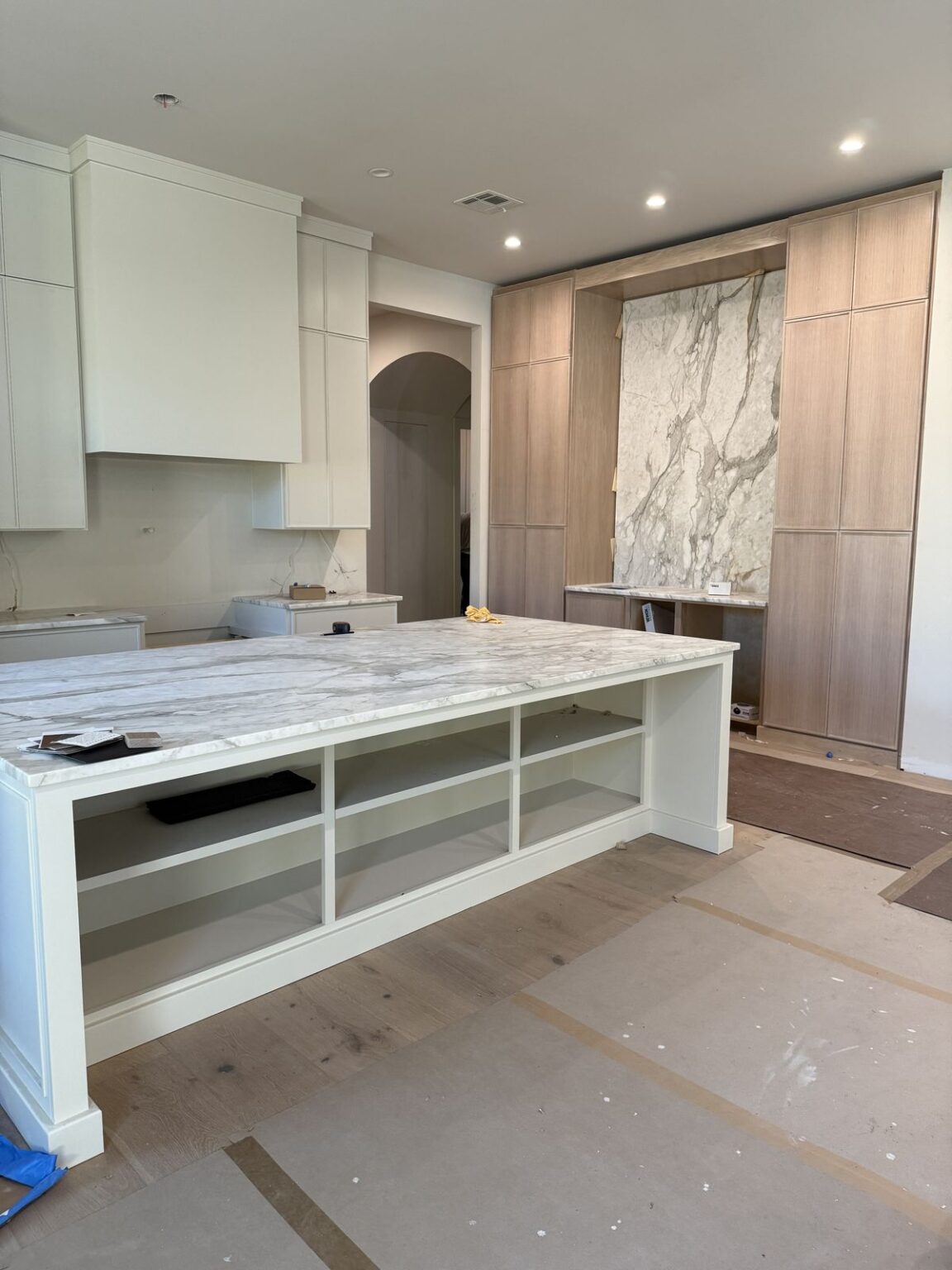
Phase 6: Installation Phase
Once rough-ins are approved, installation begins.
This includes:
- Cabinet installation
• Countertop templating and install
• Flooring
• Tile backsplash
Cabinet installation must be perfectly level—especially in older Vancouver homes where floors may not be even.
A deviation of even 1/8 inch can affect countertop installation.
Phase 7: Finishing and Final Details
The finishing stage includes:
- Painting
• Hardware installation
• Appliance setup
• Final electrical connections
At this stage, coordination is still critical. Appliance delivery delays are one of the most common causes of project extensions.
Contractor Project Management vs DIY Coordination
Factor | Professional Contractor | DIY Management |
Timeline Control | Structured scheduling | Often delayed |
Trade Coordination | Managed centrally | Fragmented |
Permit Handling | Included | Homeowner responsibility |
Risk Management | Experienced oversight | Higher risk |
Inspection Handling | Pre-scheduled | Reactive |
Managing a kitchen renovation without experience often leads to delays of 20–30% over the expected timeline.
Real-World Challenges in Vancouver Projects
Kitchen renovations in Vancouver are rarely straightforward.
Common challenges include:
- Older building infrastructure (especially in Kitsilano)
• Strata restrictions in condos
• Limited access in high-rise buildings
• Tight scheduling windows
For condo-specific projects, understanding these constraints is essential. Working with a team experienced in condo renovation Vancouver helps navigate approvals, logistics, and building rules efficiently.
How Good Project Management Reduces Cost
Poor sequencing increases cost in subtle ways:
- Trades waiting on each other
• Rework from incorrect installations
• Rush fees on materials
A well-managed project reduces these risks by aligning trades, materials, and inspections from the start.
Integration With Other Renovation Areas
Kitchen renovations often connect with other areas of the home.
For example:
- Upgrading plumbing may affect bathrooms
• Electrical panel upgrades impact the entire unit
• Flooring transitions extend into living areas
This is why kitchens are often part of broader renovation planning. Many homeowners coordinate kitchen work alongside bathroom renovation Vancouver projects to optimize costs and timelines.
Frequently Asked Questions
How long does a kitchen renovation take in Vancouver?
Most kitchen renovations take between 6–10 weeks, depending on scope, permits, and material availability.
Do I need a permit for a kitchen renovation in Vancouver?
Permits are required if you move plumbing, modify electrical systems, or change structural elements.
What causes the biggest delays in kitchen renovations?
Permit approvals, material lead times, and poor trade coordination are the most common causes.
Can I manage a kitchen renovation myself?
It is possible, but without experience, projects often run longer and cost more due to coordination issues.
What is the most critical phase of the renovation?
Rough-in work is the most critical stage, as errors here affect everything that follows.
Final Thoughts on Kitchen Project Management
A kitchen renovation is a system—not just a design upgrade.
When planning is structured, permits are handled correctly, and trades are coordinated properly, projects stay on schedule and within budget.
In Vancouver, where regulations and logistics add complexity, strong project management is what separates smooth renovations from stressful ones.