
- Basement, Blog
How Much Does It Cost to Renovate a Basement in Canada?
- By matin@quayconstruction.ca
Table of Contents
That concrete space beneath your feet could be anything: a bright playroom, a sleek home theater, or the quiet home office you’ve always wanted. But standing between that dream and reality is the one big question every homeowner asks: how much does it cost to renovate a basement?
Figuring out a realistic budget can be challenging, with a wide range of estimates and the worry of surprise costs making it hard to know where to begin. This guide provides a complete basement finishing cost breakdown, from the average price per square foot in Canada to the big-ticket items that drive up the price, including insulation, moisture control, and energy efficiency upgrades recommended by Natural Resources Canada.
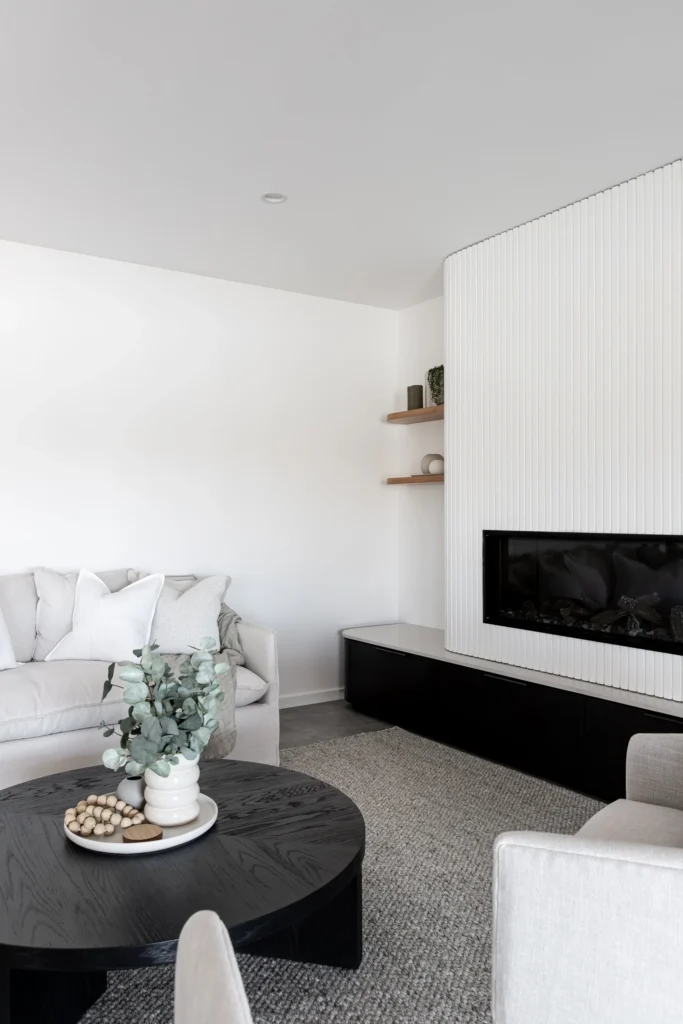
What's the Ballpark Cost? Using the Square Foot Method
The quickest way to get a ballpark figure is to multiply your basement’s approximate size by a dollar amount that reflects the style you want. Your actual cost will depend heavily on the level of finish you choose, similar to how pricing tiers work in full-home and kitchen renovation projects, which can be broken into three general tiers:
- Basic Finish ($50 – $95 per sq. ft.): This gets you a simple, open-concept space with standard drywall, builder-grade carpet or vinyl flooring, and basic ceiling-mounted lights.
- Mid-Range Finish ($95 – $150 per sq. ft.): This popular option allows for multiple rooms, upgraded flooring like Luxury Vinyl Plank (LVP), recessed lighting, and better trim.
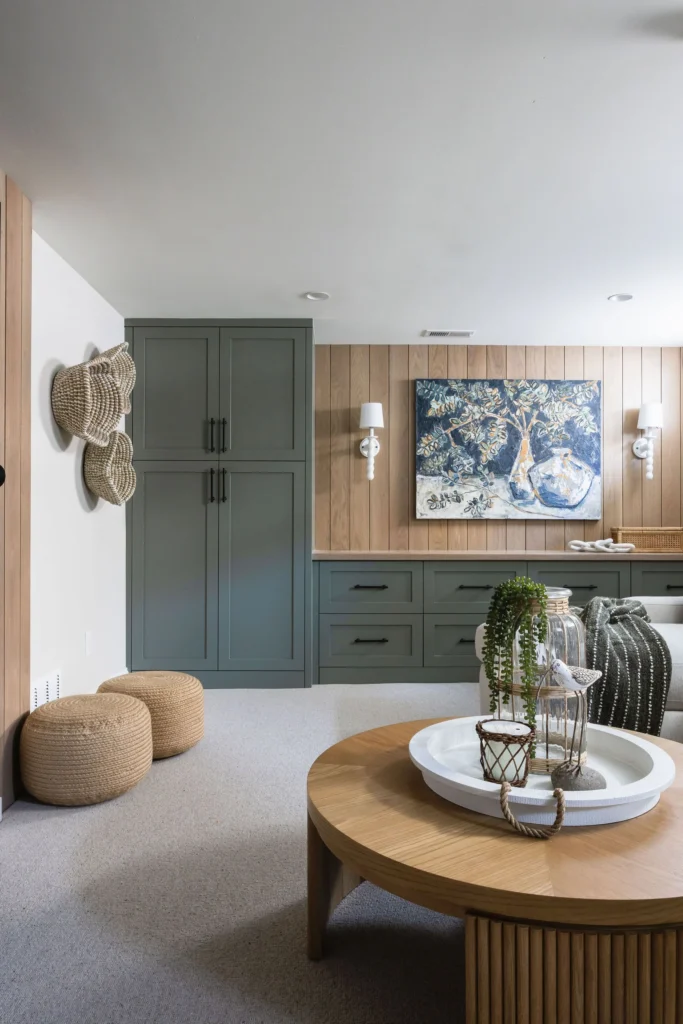
- High-End Finish ($150+ per sq. ft.): This involves premium materials and custom features like built-in shelving, soundproofing for a home theatre, or high-end flooring and lighting fixtures.
For a standard 1,000-square-foot basement, you can expect a starting cost of $50,000 for a basic finish or $95,000 for a solid mid-range renovation. This base price is for the space itself; adding major features will drive up the final number.
The 3 Big Budget-Busters: Why Bathrooms, Bedrooms, and Bars Cost So Much
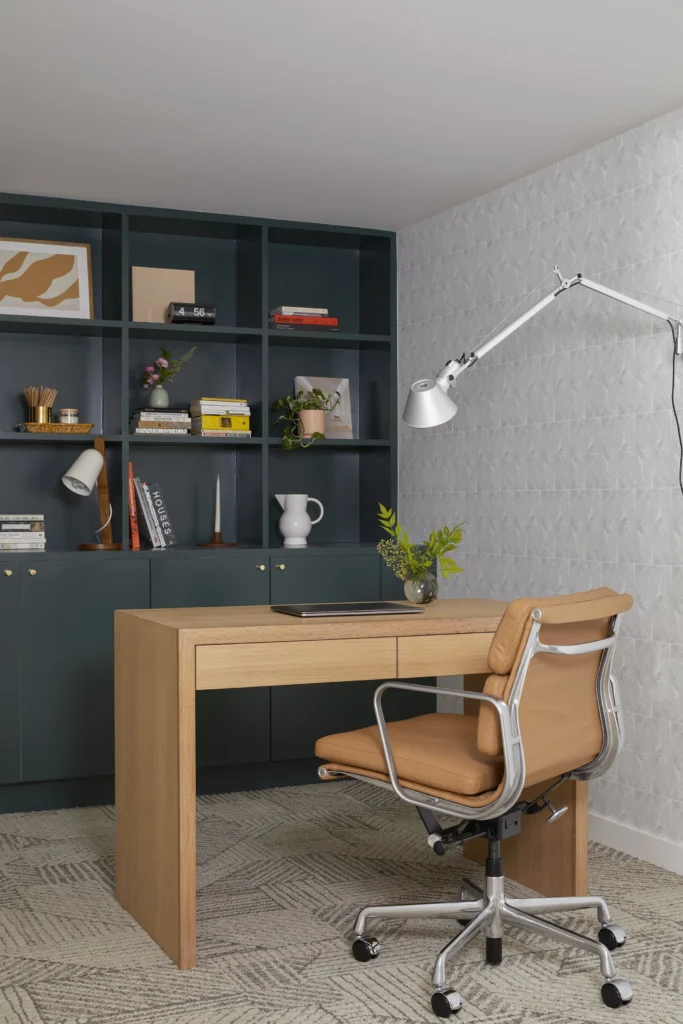
The per-square-foot price is a great baseline, but it doesn’t account for features that make a basement truly functional. A bathroom, a legal bedroom, or a wet bar have their own significant price tags, driven by complex work rather than just size.
A new bathroom is often the biggest single cost, ranging from $15,000 to over $30,000. The high price isn’t in the fixtures; it’s in the labor. To install a basement bathroom, contractors must break up your concrete foundation to run new plumbing and drain lines—a messy, specialized, and expensive job.
Creating a legal bedroom means adding an egress window for safe fire escape. This is a structural job requiring a professional to cut into your home’s concrete foundation. The typical installation costs $3,000 to $7,000+ and requires proper waterproofing to prevent future leaks.
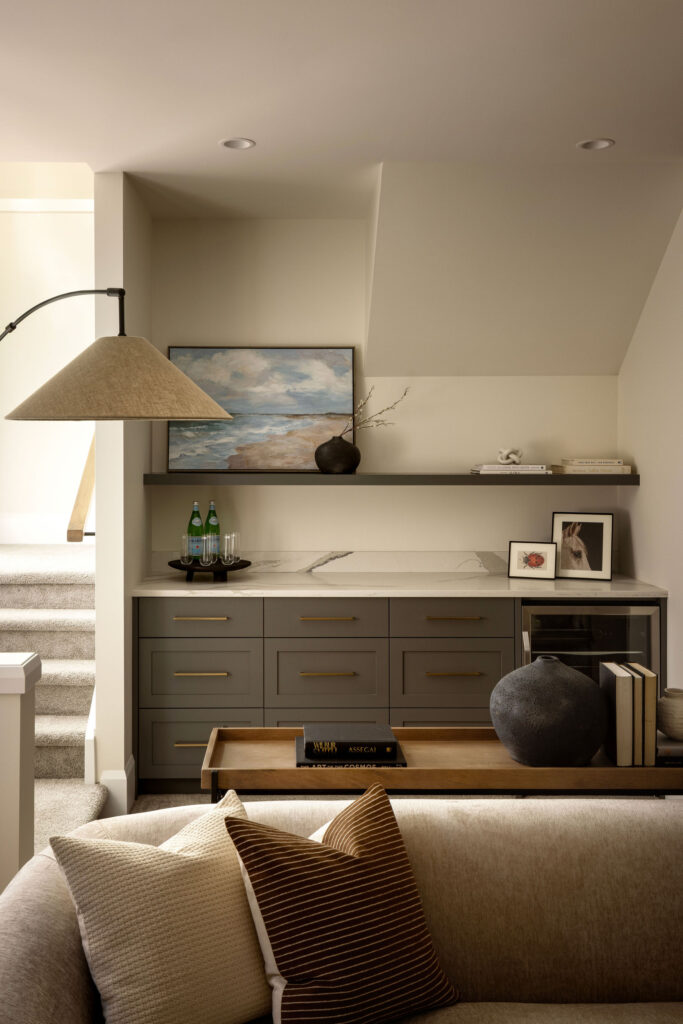
Even a simple feature like a bar comes with a major cost choice. A “dry bar” with just cabinets and a counter is straightforward. But adding a sink creates a “wet bar,” which requires a plumber to run new supply and drain lines, adding thousands to the final bill.
DIY vs. Hiring a Pro: Where Can You Actually Save Money?
Since labor can account for nearly half the total budget in a professional remodel, taking on some work yourself—often called ‘sweat equity’—is a direct way to lower your bill. The key is choosing your battles wisely to create value, not future problems.
Cosmetic tasks are the safest and easiest places to save. You can confidently handle jobs like painting, installing baseboards, and assembling furniture. However, for safety and to meet building codes, any work inside the walls—like electrical, plumbing, or structural changes—must be left to a licensed professional.
For those complex jobs, you’ll hire a General Contractor (GC). A GC manages the project by hiring experts, handling residential building permits, and ensuring everything is done correctly, saving you from costly mistakes.
Don't Get Blindsided: 4 Hidden Costs Every Homeowner Forgets
Beyond the shiny new floors and lights, your total budget needs a buffer for the unexpected. Be sure to set money aside for these common surprises that can derail a project if you’re unprepared.
- Moisture Issues: Dampness may require sealing foundation cracks or installing a vapor barrier—a plastic raincoat for your concrete walls—before insulation can go in.
- Hazardous Materials: In older homes, you may find asbestos in old floor tiles or mold behind drywall, both of which require certified professionals for safe removal.
- Permits and Inspections: These are non-negotiable fees paid to your city to ensure the work is done to code, often costing $1,000-$3,000.
- A Contingency Fund: This is the single most important line item in your budget. Setting aside an extra 10-15% of your total budget is the mark of a smart plan, ensuring that when a surprise pops up, you have the resources to handle it.
Does Finishing a Basement Actually Add Value to Your Home?
After tallying up the potential costs, is it worth it? The answer is a resounding yes. Financially, you can expect a solid Return on Investment (ROI) of around 60-70%, making it one of the better home improvement projects for adding value,especially when it’s part of a well-planned Vancouver home renovation.
However, appraisers value finished basement space differently. Because it is “below-grade” (below ground level), it doesn’t carry the same dollar-for-dollar value as your main-floor living areas. It absolutely boosts your home’s marketability and final sale price, but it won’t be counted in the same way as an above-ground addition.
Perhaps the biggest payoff isn’t financial but functional. The “lifestyle return” is immediate—the value of having that desperately needed playroom, home office, or guest suite right now is a return you get every single day.
Your Next 3 Steps to a Realistic Basement Budget
A budget is built from a series of choices that you control. To transform your vision from a dream into an actionable project, start with this simple plan:
- Define Your ‘Why’: List your absolute must-have functions (e.g., home office, guest room).
- Create a Wishlist: Categorize your wants into “must-haves” and “nice-to-haves” to identify budget-friendly options.
- Talk to at Least 3 Contractors: With your list in hand, you can get clear, comparable quotes.
This process equips you to have confident conversations with professionals. A realistic budget isn’t a barrier; it’s a roadmap built from your informed decisions. You’re ready to move from wondering about the cost to actively planning the space you need.
Related Posts

Best Benjamin Moore Colors for Bathroom Renovations