- Kitchen, Renovations
Kitchen Lighting Plan for Renovations in Vancouver Homes
- By matin@quayconstruction.ca
Table of Contents
Lighting plays a critical role in how a kitchen looks, feels, and functions during daily use. A well-designed lighting plan combines multiple light sources to ensure the space is bright, practical, and visually balanced.
For homeowners planning a kitchen renovation Vancouver, lighting decisions are usually made early in the design and electrical planning stages. Pot lights, under-cabinet lighting, and task lighting must be coordinated with cabinetry layouts, ceiling framing, and appliance placement.
Homeowners researching lighting upgrades often be
Why Kitchen Lighting Design Matters
Kitchen lighting affects both functionality and how the space visually feels. Poor lighting can create shadows on countertops, reduce visibility during cooking, and make the kitchen feel smaller or darker than it actually is.
A well-planned lighting system distributes light evenly across preparation areas, cooking zones, and seating spaces.
Modern kitchen renovations typically use a layered lighting strategy that combines ambient lighting, task lighting, and accent lighting.
This approach ensures the kitchen remains comfortable, bright, and functional during different activities throughout the day.
gin by reviewing kitchen renovation Vancouver project planning guidance to understand how lighting systems integrate with overall kitchen design and electrical infrastructure.
Understanding Layered Kitchen Lighting
Professional kitchen lighting design usually includes three main lighting layers that work together.
Ambient lighting provides overall illumination throughout the kitchen. This is typically achieved with recessed ceiling fixtures such as pot lights.
Task lighting focuses directly on work areas such as countertops, sinks, and cooking zones where clear visibility is essential.
Accent lighting highlights architectural details, cabinetry, or decorative features and adds depth to the space.
Combining these three lighting layers creates a balanced lighting environment that supports both functionality and aesthetics.
Pot Lights Layout for Kitchen Renovations
Pot lights are one of the most commonly used lighting solutions in modern kitchen renovations.
These recessed ceiling fixtures provide consistent ambient lighting while maintaining a clean ceiling appearance.
Proper pot light spacing is important to prevent dark areas or overly bright zones.
In many Vancouver kitchen renovations, pot lights are typically spaced 3 to 5 feet apart, depending on ceiling height and fixture output.
Fixtures are often aligned with cabinet edges and kitchen islands so light falls directly onto work surfaces rather than behind the person cooking.
Poor pot light placement can create shadows across countertops, which reduces the effectiveness of the entire lighting system.

Under Cabinet Lighting Installation
Under-cabinet lighting is one of the most effective ways to improve task lighting in a kitchen renovation.
These fixtures illuminate the countertop directly and eliminate shadows that are often created by overhead lighting.
LED strip lighting and linear LED bars are the most common solutions used in modern kitchen designs because they provide consistent and energy-efficient illumination.
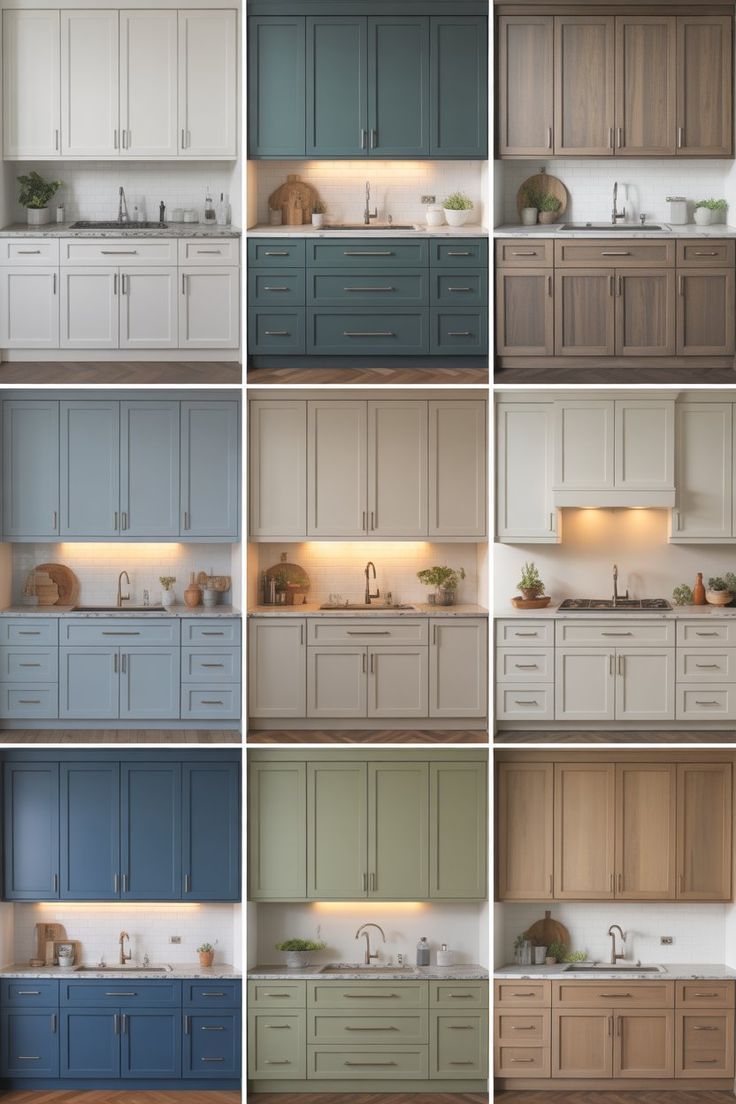
Under-cabinet lighting not only improves visibility for food preparation but also enhances the appearance of backsplash materials and countertops.
When installed correctly, these lights create a clean, continuous glow across the workspace and add a refined visual finish to the kitchen design.
Electrical Planning for Kitchen Lighting
Kitchen lighting systems must be integrated into the electrical design of the renovation from the beginning.
Electricians determine circuit requirements, switch placement, and dimmer controls during the planning stage to ensure the lighting system functions efficiently.
Many homeowners choose dimmable lighting systems so brightness levels can be adjusted depending on the time of day, cooking activities, or entertaining needs.
Some renovation projects also incorporate smart lighting controls that allow homeowners to automate lighting scenes for cooking, dining, or evening ambiance.
Careful electrical planning ensures that the lighting system remains reliable, flexible, and easy to control once the renovation is complete.
Building Code Considerations for Kitchen Lighting
Kitchen lighting installations must comply with electrical and safety requirements defined in the BC Building Code electrical standards.
Electrical circuits, fixture installation, and wiring methods must follow approved safety guidelines established for residential construction.
These regulations ensure that lighting systems operate safely and meet municipal inspection requirements during kitchen renovation projects.
Common Questions About Kitchen Lighting
How many pot lights should a kitchen have?
The number depends on kitchen size, ceiling height, and fixture output. Most kitchens use a grid layout spaced approximately 3–5 feet apart.
Are under-cabinet lights worth installing?
Yes. They significantly improve visibility on countertops and eliminate shadows created by overhead lighting.
Can kitchen lights be dimmable?
Most modern lighting systems include dimmer switches that allow homeowners to adjust brightness levels throughout the day.
Do kitchen lighting upgrades require permits?
Minor fixture replacements usually do not, but major electrical modifications may require permit approval depending on the project scope.
What type of lighting is best for kitchen islands?
Pendant lights are commonly used above islands because they provide both task lighting and decorative visual impact.
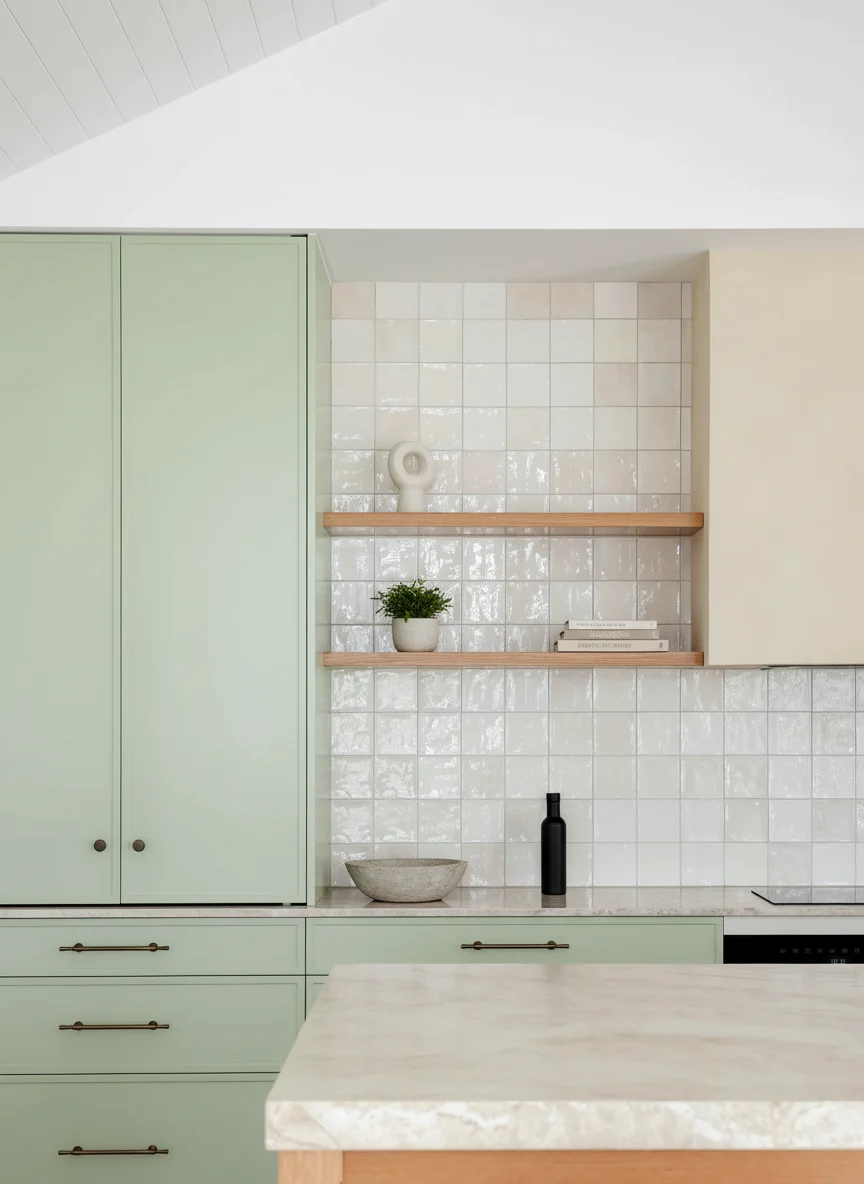
Designing a Functional Kitchen Lighting Plan
A well-designed kitchen lighting plan combines multiple lighting layers to support both daily activities and overall comfort.
Ambient lighting, such as pot lights, provides consistent overhead illumination throughout the space.
Task lighting, including under-cabinet fixtures, improves visibility across preparation surfaces and cooking areas where clear lighting is essential.
Accent lighting can then be used to highlight cabinetry, architectural features, or decorative elements within the kitchen.
When lighting is carefully integrated into the renovation design, kitchens feel brighter, more organized, and visually balanced.
Thoughtful lighting planning helps ensure the finished kitchen feels comfortable, modern, and practical for everyday use.