

- Kitchen, Renovations
Kitchen Renovation Vancouver: Financing & Payment Schedules Explained
- By matin@quayconstruction.ca
Table of Contents
Financing and payment structure are two of the most misunderstood parts of a kitchen renovation Vancouver project. Homeowners often focus on design, cabinetry, and layout — but how payments are structured directly impacts risk, contractor accountability, and project flow.
Understanding what is normal in Vancouver protects both your budget and your timeline.
Why Payment Structure Matters in a Vancouver Kitchen Renovation
In British Columbia, construction contracts must comply with provincial consumer protection and lien legislation. Payment schedules are not arbitrary — they are tied to project milestones, permit sequencing, material ordering, and inspection approvals.
A professional contractor will structure payments around measurable progress, not vague timelines.
When evaluating Kitchen renovation Vancouver contractors, payment transparency is one of the strongest indicators of professionalism.
What Is a Normal Deposit for a Kitchen Renovation in Vancouver?
In Vancouver, a typical deposit ranges between 10% and 25%, depending on project size and scope.
The purpose of a deposit is to:
Secure production slot
Cover design and planning time
Initiate permit preparation
Order custom materials
Lock supplier pricing
For larger structural renovations, deposits may be slightly higher due to engineered drawings and millwork fabrication requirements.
If a contractor requests 50% upfront before any work begins, that is not standard for reputable companies.
Understanding Progress Payments in Renovation Contracts
Most professional kitchen renovations in Vancouver follow milestone-based progress payments.
Rather than weekly billing, payments are triggered by completed stages such as:
Demolition completed
Rough-in electrical and plumbing inspection passed
Cabinet installation complete
Countertop templating and installation
Final inspection and deficiency correction
This protects both the homeowner and contractor.

Typical Kitchen Renovation Payment Milestones in Vancouver
Below is a standard example structure used for mid-to-large renovations:
Stage | Milestone | Payment % |
Contract Signing | Deposit to secure schedule | 15–20% |
Post-Demolition | Rough-in complete + inspection passed | 25% |
Cabinet Install | Millwork installed | 25% |
Countertops + Finishing | Surfaces, fixtures, backsplash | 20% |
Final Completion | After final inspection | 10% |
Every contractor structures payments slightly differently, but milestone-based billing is considered professional and normal in Vancouver.
When Financing Becomes Part of the Conversation
Some homeowners choose:
Home equity line of credit (HELOC)
Mortgage refinancing
Personal renovation loans
If financing is required, your contractor must coordinate progress payments with lender release schedules.
In higher-end neighborhoods like West End or Kitsilano, many projects are partially financed through equity.
If you are unsure about financial structuring, discuss it early in the contractor selection process.
Red Flags in Renovation Payment Structures
Payment schedule problems often signal deeper issues.
Be cautious if:
Large upfront payment before permits
No written milestone breakdown
No contract clarity on inspection stages
Cash-only demands
No invoicing documentation
Professional contractors provide written agreements, clear scopes, and structured billing tied to actual progress.
When selecting a contractor, transparency in contracts is as important as design quality.
If you are evaluating contractors for your project, review our kitchen renovation Vancouver BC process to understand how structured planning protects homeowners.
How Payment Structure Connects to Permits and Inspections
In Vancouver, structural and mechanical changes often require permits through the City.
Milestones typically align with inspection stages, which are regulated under the City of Vancouver building permits process.
If a contractor requests payment before passing required inspections, that should be clarified in writing.
Electrical and plumbing inspections protect homeowners from hidden compliance issues that affect resale.
Provincial oversight and lien protection are governed under the Builders Lien Act of British Columbia, which outlines how contractor payments and holdbacks are regulated.
Understanding this framework helps homeowners recognize what is legally structured versus what is risky.
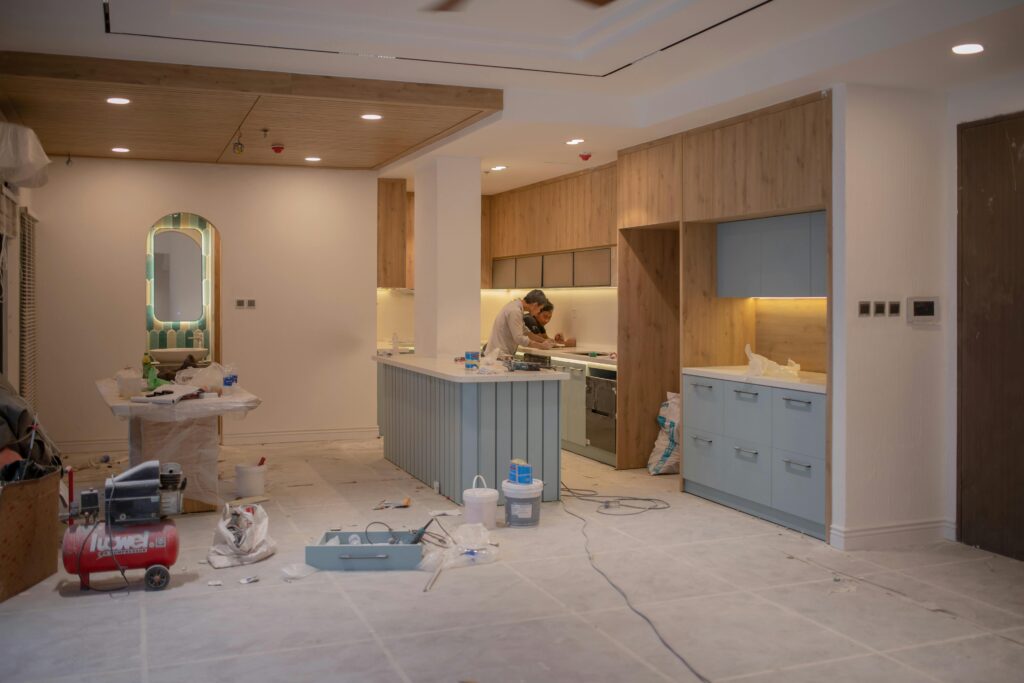
Condo Renovations and Strata Payment Considerations
In Downtown Vancouver and many Burnaby Heights condo buildings, renovation payments sometimes align with strata approval timelines.
If strata approval is delayed, project scheduling shifts — and payment milestones may shift accordingly.
For condo-specific projects, coordination with condo renovation Vancouver professionals ensures permit and strata timing is properly managed.
Why Professional Contractors Do Not Offer “Pay When Done” Models
Some homeowners ask:
“Can I just pay everything at the end?”
In regulated construction environments like Vancouver, that structure is not realistic for legitimate companies.
Contractors carry:
Labor payroll
Material procurement costs
Subtrade deposits
Inspection coordination fees
Fabrication lead times
Structured progress payments ensure cash flow stability and project continuity.
Unstructured payment models often indicate informal operators.
Choosing the Right Contractor Based on Payment Structure
Payment transparency should be part of your contractor evaluation process.
Ask:
Is the deposit percentage reasonable?
Are milestones clearly defined?
Are inspections tied to billing?
Is there a final holdback?
Is the contract detailed and written?
If you are comparing bids, look beyond price. Evaluate structure, communication, and professionalism.
Professional kitchen contractors in Vancouver structure payments around accountability — not pressure.
How Financing Impacts Renovation Timeline
Financed projects often require:
Appraisal approval
Fund release timing
Draw schedule coordination
This can add 1–3 weeks of administrative planning before construction begins.
Proper pre-construction planning ensures financing does not delay demolition start.

Frequently Asked Questions
How much deposit is normal for a kitchen renovation in Vancouver?
Between 10% and 25% depending on scope, permit requirements, and custom fabrication.
Are progress payments normal?
Yes. Professional contractors use milestone-based billing tied to completed stages and inspections.
Can I finance my kitchen renovation?
Yes. Most homeowners use home equity lines or refinancing options. Contractors coordinate with lender draw schedules.
Is it risky to pay too much upfront?
Yes. Excessive deposits without clear milestones can expose homeowners to financial risk.
Should final payment be held until everything is complete?
Yes. A final 5–10% holdback is common until deficiencies are addressed.
Related Posts

Best Benjamin Moore Colors for Bathroom Renovations