

- Kitchen, Renovations
What to Expect During Kitchen Renovation Demolition in Vancouver
- By matin@quayconstruction.ca
Table of Contents
What to Expect During Kitchen Renovation Demolition in Vancouver
The demolition phase is one of the most critical steps in any kitchen renovation. It sets the foundation for everything that follows and directly impacts timelines, safety, and project efficiency.
For homeowners planning a kitchen renovation Vancouver, understanding the demolition process helps reduce uncertainty and ensures proper preparation before construction begins.
Many homeowners begin by reviewing kitchen renovation Vancouver project planning guidance to understand how demolition fits within the overall renovation timeline and scope.
What Happens During Kitchen Demolition
Kitchen demolition involves removing existing materials to prepare the space for new construction.
This typically includes cabinets, countertops, appliances, flooring, drywall, and sometimes portions of structural walls depending on the project scope.
The goal is not just removal, but controlled deconstruction that protects surrounding areas and preserves structural integrity.
In Vancouver homes, especially older properties in Kitsilano or the West End, demolition may also reveal hidden conditions such as outdated wiring or plumbing.
Preparing Your Home Before Demolition Begins
Proper preparation is essential to minimize disruption and protect the home.
Homeowners are typically advised to clear all kitchen contents, disconnect appliances, and remove personal items from nearby areas.
Dust containment systems are often installed to prevent debris from spreading into adjacent rooms.
In condo buildings, additional preparation may be required to protect common areas such as hallways and elevators.
Demolition Timeline and What to Expect Each Day
The demolition phase is usually completed within 1 to 3 days depending on the size and complexity of the kitchen.
Day one often involves removing cabinets, countertops, and appliances.
Subsequent days may include flooring removal, drywall removal, and preparation for structural or mechanical work.
Projects involving structural changes or wall removal may extend demolition timelines due to additional safety and engineering requirements.
Safety and Containment During Demolition
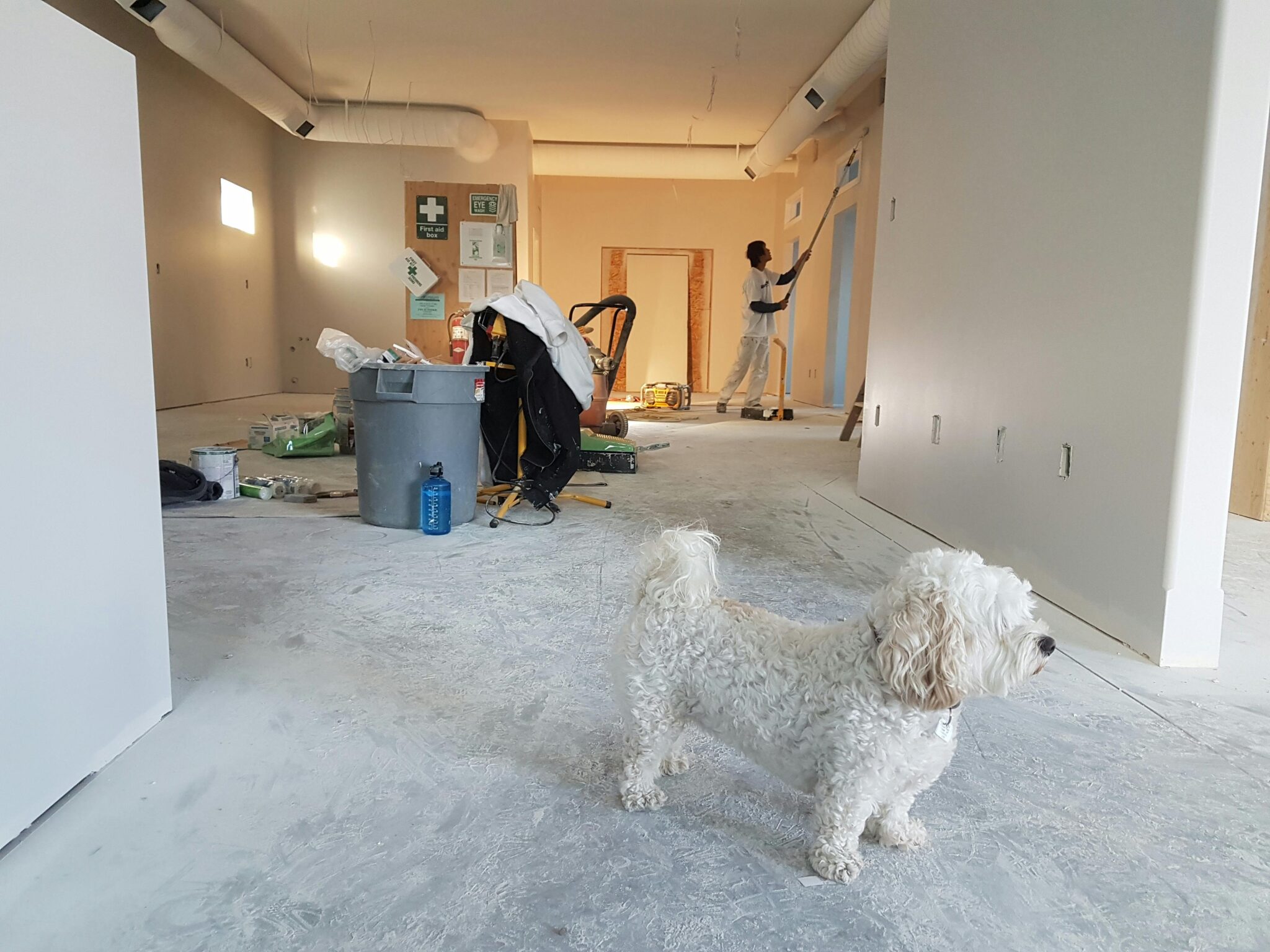
Safety is a priority during demolition due to dust, debris, and potential exposure to older building materials.
Contractors typically use plastic barriers, negative air systems, and protective coverings to contain dust and prevent it from spreading into other areas of the home.
Floor protection is also installed to prevent damage to surrounding surfaces during the demolition process.
Proper containment is especially important in Vancouver condos, where shared spaces must remain clean and undamaged.
Structural Considerations and Load-Bearing Walls
Not all walls can be removed during demolition.
Load-bearing walls support structural weight and require engineering before any modification or removal.
If structural changes are planned, temporary supports may be installed before demolition begins to maintain stability.
Engineered beams such as LVL or steel are often used to safely redistribute structural loads.
This phase must be carefully coordinated to ensure the structural integrity of the home throughout the renovation.
Electrical and Plumbing Disconnections
Before demolition begins, electrical and plumbing systems must be safely disconnected.
Electricians and plumbers typically isolate circuits, cap water lines, and prepare systems for reconfiguration.
In many Vancouver renovations, older wiring or plumbing systems may need to be upgraded once they are exposed.
This step is critical to ensure safety and avoid complications during later construction phases.
Permit Requirements for Kitchen Demolition
Certain demolition activities require permits, particularly when structural elements, electrical systems, or plumbing are involved.
Homeowners planning demolition should review City of Vancouver demolition permit requirements to understand when approvals are necessary.
Permit requirements help ensure that demolition is performed safely and in compliance with municipal regulations.
Waste Removal and Recycling Requirements
Demolition generates significant waste, including wood, drywall, metal, and other materials.
In Vancouver, recycling requirements may apply to certain demolition materials as part of environmental regulations.
Contractors typically sort and dispose of materials according to local guidelines and recycling programs.
Proper waste management helps reduce environmental impact and ensures compliance with city requirements.

Demolition in Condominiums vs Houses
Demolition in condominium buildings often involves additional restrictions compared to detached homes.
Strata rules may limit working hours, require elevator bookings, and impose noise regulations that affect scheduling.
Protective measures such as floor coverings and wall protection in common areas are often mandatory to prevent damage to shared spaces.
Homeowners planning condo projects should review condo renovation Vancouver planning considerations to understand building-specific requirements.
Detached homes typically offer more flexibility, but may involve more extensive demolition depending on the project scope.
Common Challenges During Demolition
Unexpected conditions are one of the most common challenges during demolition.
These may include hidden water damage, outdated wiring, structural irregularities, or issues from previous renovation work.
Addressing these conditions early is critical to maintaining project timelines and avoiding cost overruns.
Experienced contractors anticipate these risks and plan contingencies to keep the project moving efficiently.
How Demolition Impacts Renovation Timeline
Demolition is the first active construction phase and sets the pace for the rest of the renovation.
Delays during demolition can impact subsequent trades such as framing, electrical work, plumbing, and cabinetry installation.
Proper planning, permitting, and coordination help ensure that demolition proceeds smoothly and stays on schedule.
Project Planning and Demolition Integration
Demolition should always be integrated into the broader renovation plan.
Homeowners planning renovations often review kitchen renovation Vancouver project planning guidance to understand how demolition aligns with design, permits, and construction sequencing.
This approach ensures a more controlled, efficient, and predictable renovation process from start to finish.
Frequently Asked Questions
How long does kitchen demolition take?
Most kitchen demolitions take between 1 and 3 days depending on project complexity.
Do I need a permit for kitchen demolition in Vancouver?
Permits may be required if the demolition involves structural, electrical, or plumbing changes.
Is kitchen demolition messy?
Yes, but proper containment systems help minimize dust and protect surrounding areas.
Can I stay in my home during demolition?
In many cases yes, but it depends on the level of disruption and project scope.
What happens if issues are found during demolition?
Hidden issues are addressed before construction continues to ensure safety and long-term quality.
Final Thoughts on Kitchen Demolition in Vancouver
Kitchen demolition is a critical step that requires careful planning, coordination, and professional execution.
From safety and permits to structural considerations and waste management, every aspect must be handled with precision.
When demolition is properly managed, it creates a clean and stable foundation for the rest of the renovation.
Understanding this process helps homeowners feel more prepared, confident, and informed as their project begins.