- Kitchen, Renovations
Kitchen Flooring Options Vancouver: LVP vs Hardwood Comparison
- By matin@quayconstruction.ca
Table of Contents
Choosing the right flooring is one of the most important decisions in any kitchen renovation. Kitchen floors must handle daily foot traffic, moisture exposure, dropped objects, and frequent cleaning.
For homeowners planning a kitchen renovation Vancouver, flooring selection must balance durability, maintenance requirements, and how the material integrates with cabinetry, countertops, and the overall kitchen design.
Homeowners researching renovation materials often begin by reviewing kitchen renovation Vancouver project planning guidance to understand how flooring choices influence layout planning, installation sequencing, and long-term maintenance.
Why Kitchen Flooring Selection Matters
Kitchen flooring must perform under conditions that are very different from other areas of the home. Cooking spaces are exposed to water, grease, food spills, and constant movement throughout the day.
Unlike living rooms or bedrooms, kitchen floors experience both heavy foot traffic and frequent moisture exposure. These conditions make durability and water resistance essential when choosing flooring materials.
In many Vancouver homes, particularly in older properties across neighbourhoods like Kitsilano and the West End, kitchen renovations often include flooring upgrades because original materials no longer meet modern performance expectations.
Selecting the right flooring material improves not only durability but also how the kitchen visually connects with adjacent living areas.
Common Kitchen Flooring Materials Used in Vancouver Renovations
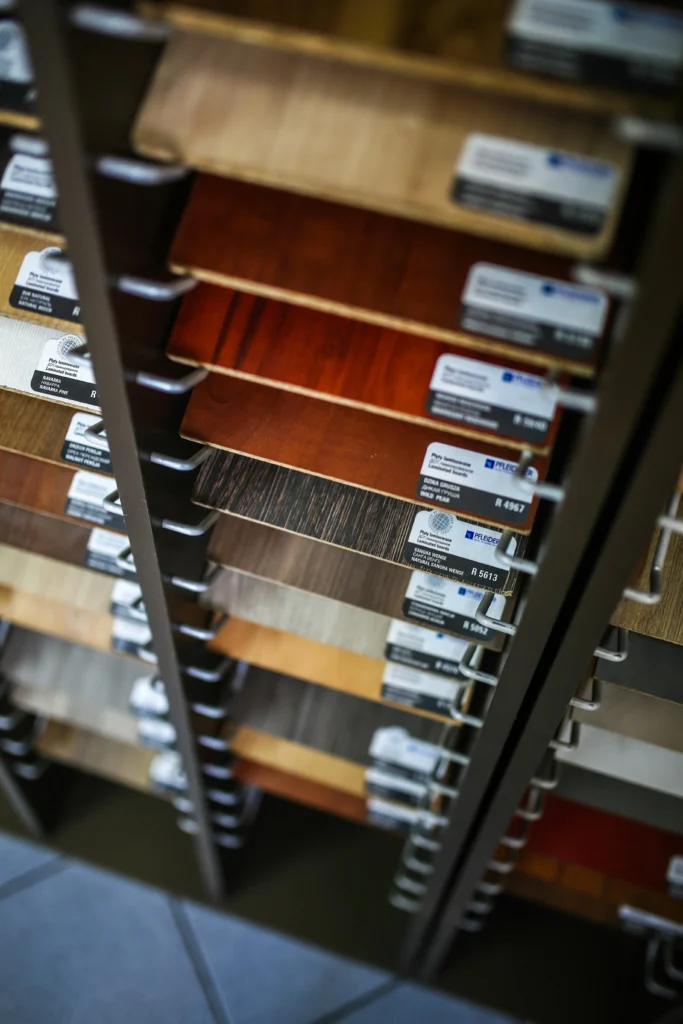
Several flooring materials are commonly used in modern kitchen renovations. Each option offers different advantages depending on budget, durability needs, and design preferences.
Luxury vinyl plank (LVP), engineered hardwood, tile flooring, and laminate flooring are among the most frequently installed options in Vancouver kitchen renovations.
These materials vary in water resistance, installation methods, comfort underfoot, and long-term maintenance requirements.
Understanding how each flooring material performs helps homeowners make informed decisions that align with both design goals and everyday kitchen use.
Luxury Vinyl Plank (LVP) Flooring
Luxury vinyl plank flooring has become one of the most popular flooring choices in modern kitchen renovations.
LVP is designed to replicate the appearance of natural wood while providing significantly improved resistance to moisture, scratches, and everyday wear.
Many LVP products are fully waterproof, which makes them particularly suitable for kitchens where spills, humidity, and frequent cleaning are common.
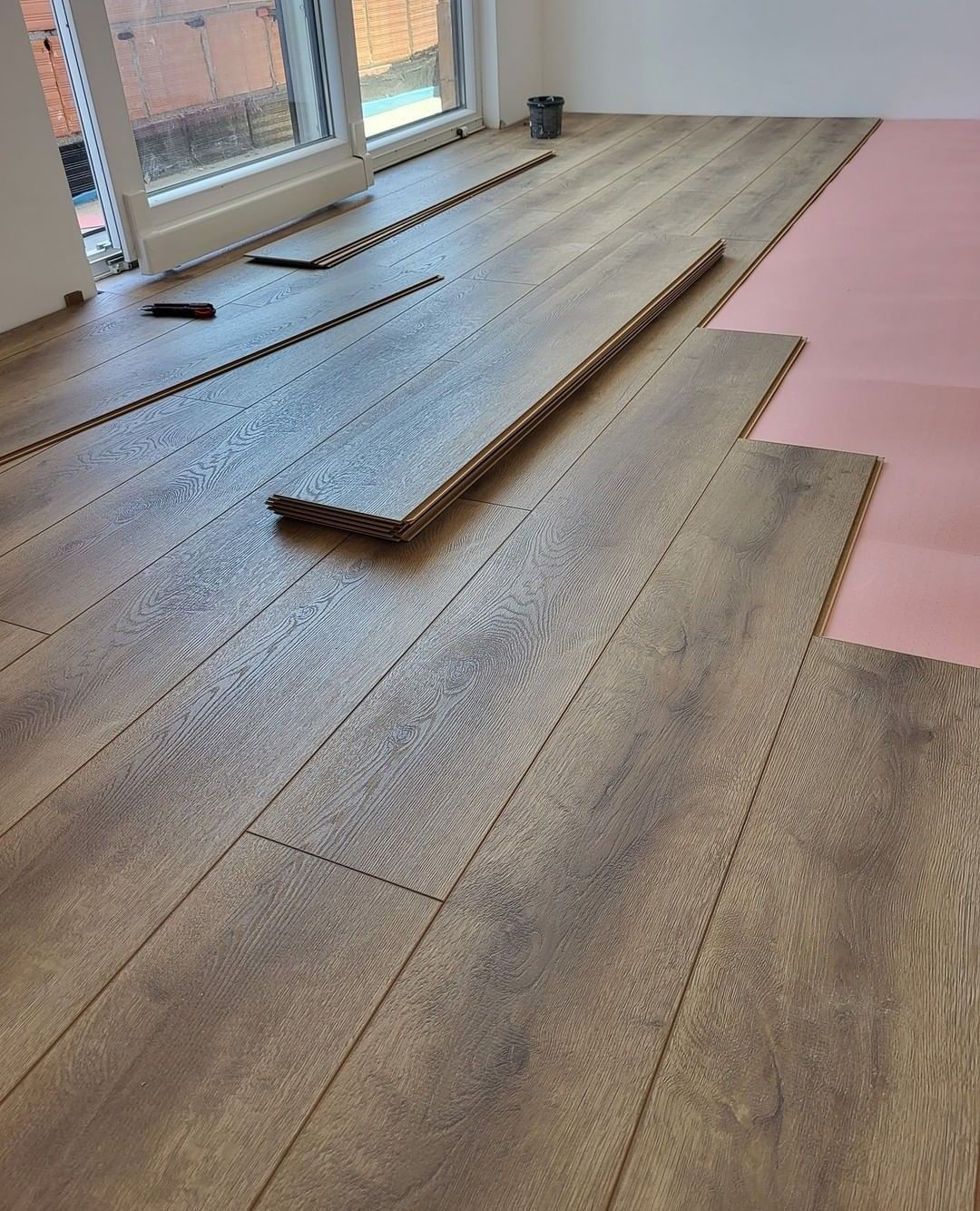
Installation is often faster than traditional hardwood flooring because many LVP systems use click-lock floating installation rather than nail-down methods.
These characteristics make LVP a practical option for homeowners who want a durable, low-maintenance flooring material that still offers a natural wood appearance.
Hardwood Flooring in Kitchen Renovations
Hardwood flooring remains a highly desirable option in many kitchen renovations due to its natural beauty and long-term value.
Many homeowners choose hardwood because it creates visual continuity between the kitchen and adjacent living spaces, particularly in open-concept homes.
However, natural hardwood is more sensitive to moisture than vinyl or tile flooring. Water exposure and humidity fluctuations can cause expansion, warping, or surface damage over time.
In many Vancouver homes where kitchens open directly into living areas, hardwood flooring is often selected to maintain a consistent floor surface throughout the main floor.
Proper sealing, regular maintenance, and careful moisture control are essential to protect hardwood floors in kitchen environments.
Tile Flooring for Kitchens
Tile flooring is another durable option commonly used in kitchen renovations.
Porcelain and ceramic tiles offer excellent resistance to water, stains, and scratches, which makes them well suited for high-traffic cooking areas.
Tile flooring is particularly common in condominium renovations because it performs well in spaces where moisture control and durability are important.
However, tile floors can feel colder and harder underfoot compared with wood or vinyl flooring.
For improved comfort, some homeowners choose to install heated floor systems beneath tile flooring.
Laminate Flooring in Kitchen Spaces
Laminate flooring can provide a more budget-friendly alternative that mimics the appearance of wood surfaces.
Modern laminate products are more durable than earlier versions and may offer improved resistance to everyday wear.
However, laminate flooring is generally less moisture-resistant than luxury vinyl plank, which can limit its suitability for kitchens with frequent water exposure.
For this reason, laminate flooring is less commonly used in higher-end kitchen renovations compared with LVP or engineered hardwood flooring.
Kitchen Flooring Comparison
Choosing the right flooring material often comes down to durability, moisture resistance, maintenance requirements, and how the flooring integrates with the overall kitchen design.
The following comparison highlights how the most common kitchen flooring materials perform in renovation projects.
Flooring Type | Water Resistance | Durability | Maintenance | Typical Use Case |
|---|---|---|---|---|
Luxury Vinyl Plank (LVP) | Very High | High | Low | Modern kitchens with frequent moisture exposure |
Hardwood | Moderate | High | Moderate | Open-concept homes requiring flooring continuity |
Tile Flooring | Very High | Very High | Low | Condominiums or kitchens with higher moisture levels |
Laminate | Moderate | Moderate | Low | Budget-focused renovation projects |
Each flooring material offers different advantages depending on how the kitchen is used and the overall renovation goals.
Homeowners often compare durability, cost, moisture resistance, and visual continuity when selecting the best flooring option for their kitchen renovation.
Moisture Considerations in Kitchen Flooring
Moisture exposure is one of the most important factors affecting flooring performance in kitchens.
Water from sinks, dishwashers, cooking activities, and everyday spills can gradually damage flooring materials that are not designed to handle moisture.
Luxury vinyl plank and tile flooring typically offer the strongest resistance to water exposure, making them popular choices in modern kitchen renovations.
Hardwood floors can perform well when properly sealed, but long-term moisture exposure may still create risks if spills are not cleaned quickly.
Choosing flooring materials with strong moisture resistance is especially important in busy family kitchens where daily activity increases the likelihood of water exposure.
Installation Considerations During Kitchen Renovations
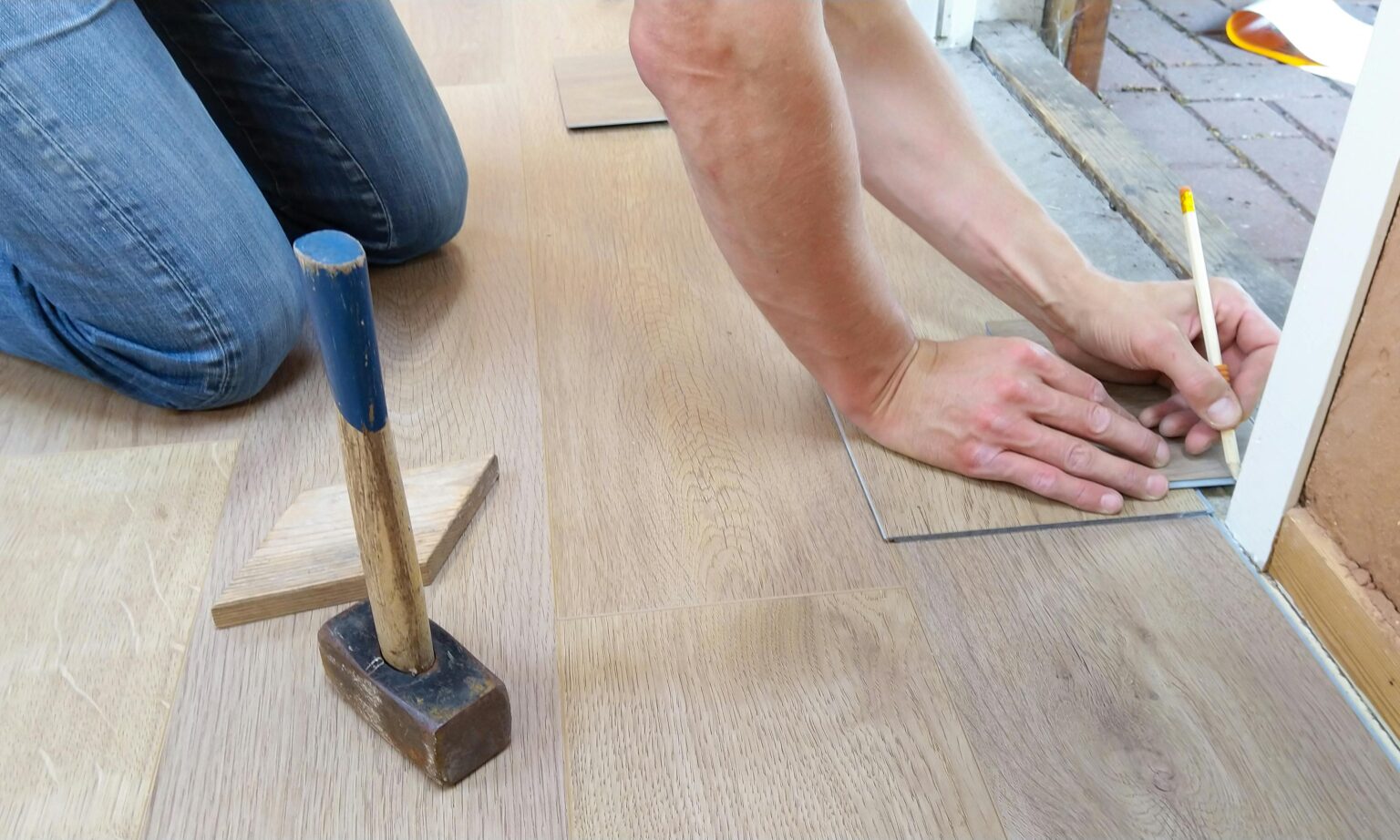
Flooring installation must be carefully coordinated with cabinetry installation, appliance placement, and other construction stages.
In many kitchen renovation projects, flooring is installed after structural work is completed and before final cabinet installation begins.
This sequencing allows flooring to extend beneath cabinets or terminate neatly along cabinet bases depending on the installation strategy.
Homeowners planning flooring upgrades often review kitchen renovations in Vancouver project planning guidance to understand how flooring installation fits within the broader renovation timeline.
Proper installation sequencing helps ensure a clean finished appearance and reduces the risk of damage during later construction stages.
Building Code and Subfloor Requirements
Kitchen flooring installations must also consider subfloor preparation and structural support.
Building codes and manufacturer guidelines define requirements for subfloor thickness, leveling tolerances, and moisture barriers that protect flooring systems from long-term damage.
Homeowners planning structural flooring changes should review BC Building Code residential construction standards to understand how flooring systems integrate with structural floor assemblies.
Proper subfloor preparation helps prevent issues such as uneven flooring, squeaks, and premature material wear.
Flooring in Condominium Renovations
Flooring upgrades in condominium units often involve additional building regulations that must be considered before renovation work begins.
Many strata buildings require specific underlayment materials to reduce sound transmission between units. These acoustic layers help limit noise from foot traffic and protect neighbouring units from disturbance.
Some buildings also require renovation applications, deposits, or formal approval from the strata council before flooring modifications can proceed.
Homeowners planning flooring changes inside condominium buildings should review condo renovation Vancouver planning considerations to understand building policies, approval procedures, and renovation restrictions.
Understanding these requirements early helps homeowners avoid delays during renovation planning and ensures the project complies with building rules.
Choosing the Right Flooring for Your Kitchen
Selecting the right kitchen flooring depends largely on how the space will be used on a daily basis.
Families with busy kitchens often prioritize durability, moisture resistance, and easy maintenance when choosing flooring materials.
Homeowners who place a stronger emphasis on aesthetics may prefer hardwood flooring because of its natural appearance and ability to create visual continuity throughout the home.
In open-concept layouts, flooring selection also plays an important role in connecting the kitchen with adjacent living and dining spaces.
When flooring is chosen carefully, it supports both long-term durability and a cohesive kitchen design that enhances the overall feel of the home.
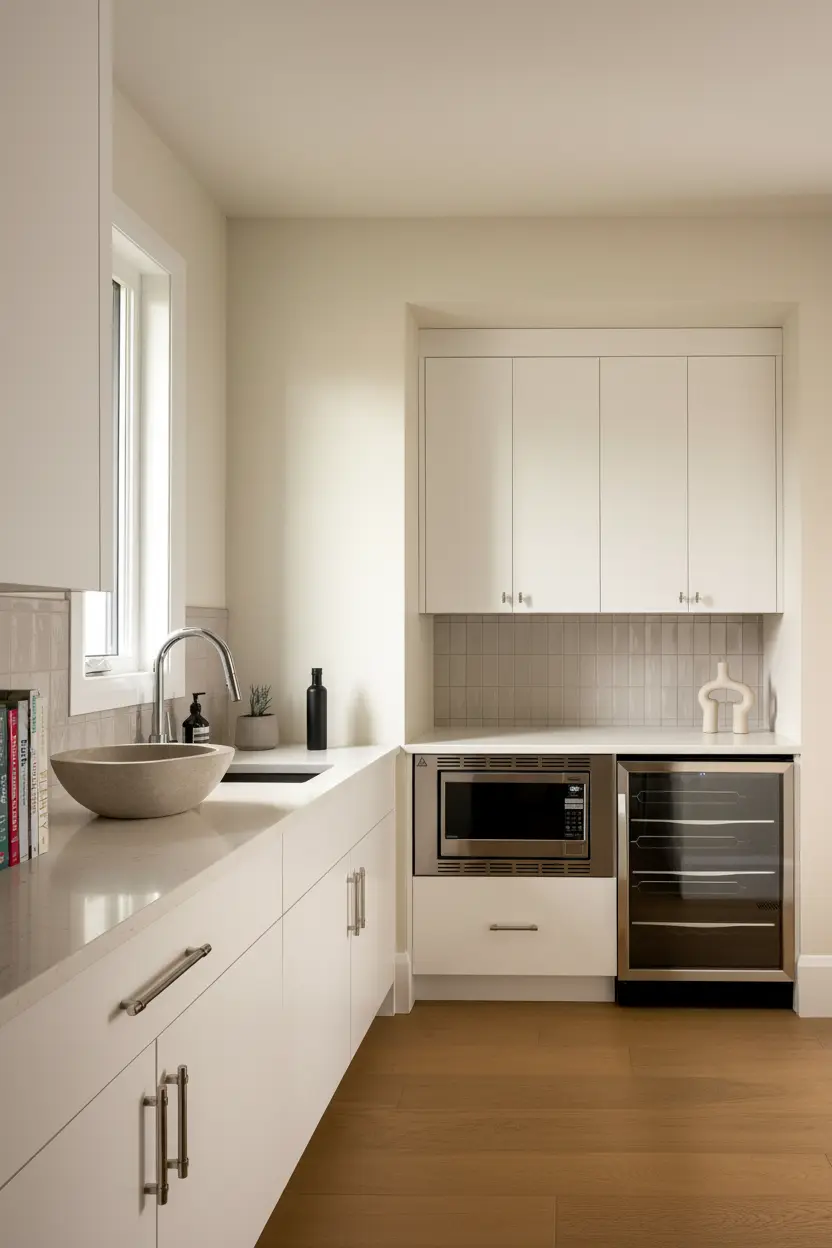
Common Questions About Kitchen Flooring
What flooring is best for kitchens in Vancouver homes?
Luxury vinyl plank and tile are often chosen for their strong moisture resistance and durability.
Is hardwood flooring suitable for kitchens?
Yes, but it requires careful maintenance and protection from moisture exposure.
Is vinyl flooring durable enough for kitchens?
Modern LVP flooring is highly durable and resistant to scratches, moisture, and daily wear.
Does flooring affect kitchen resale value?
High-quality flooring that integrates well with the overall design can improve both durability and buyer appeal.
Should kitchen flooring match the rest of the home?
Many homeowners prefer continuity between kitchen and living areas, particularly in open-concept layouts.
Planning Kitchen Flooring as Part of the Renovation
Kitchen flooring should be planned as part of the overall renovation design rather than selected at the final stage of the project.
Flooring decisions affect multiple aspects of the renovation, including cabinet installation, appliance placement, and the overall visual balance of the kitchen.
Material durability, moisture resistance, installation sequencing, and design integration all play an important role in the long-term performance of the finished space.
When flooring choices are made early in the renovation process, homeowners can ensure that the kitchen design remains both functional and visually cohesive.
Thoughtful material selection helps ensure that kitchen floors remain durable, attractive, and easy to maintain for many years after the renovation is complete.