- Commercial
Renovating While Your Business Stays Open: After-Hours and Phased Construction
- By QUAY Construction
Most offices, clinics, stores and restaurants can keep operating through a renovation if three things are settled before construction starts: when the noisy work happens, which parts of the space close at a time, and how the work area is separated from staff and customers. QUAY plans tenant improvements in Vancouver around businesses that stay open, and this guide shows how after-hours and phased construction work in practice, with two real projects and the City rules that decide what “after hours” can mean.
Quick answer. Often, yes. Noisy and dusty work is scheduled when the business is closed, the space is split into phases so part of it stays in use, and work zones are closed off with temporary walls and protection. In the City of Vancouver, construction noise on private property is allowed 7:30am to 8pm on weekdays and 10am to 8pm on Saturdays, with none on Sundays or holidays; noisy work outside those hours needs a noise by-law exception permit. Your building’s own rules may be stricter, so they go into the plan first.
| Approach | How it works | Suits | QUAY example |
|---|---|---|---|
| After hours and weekends | Noisy and dusty work happens when you’re closed, so the business runs as normal during the day | Clinics in shared medical buildings, offices, stores | Fairview chiropractic office: two weeks, all work after hours and on weekends |
| Phased work zones | The space is split into phases so some rooms or part of the floor stay in use while others are rebuilt | Larger clinics, sales floors, restaurants with a separate kitchen or dining area | Planned on the proposal so you know which areas close and when |
| One high-impact task, scheduled separately | The loudest or most disruptive step, such as concrete coring or a water shut-off, is booked for a time the building can be cleared | Adding sinks or drains in a finished suite over a parkade | False Creek health clinic: coring done on weekends with the parkade below cleared |
What “after hours” can mean in Vancouver
The City of Vancouver’s noise control by-law page sets the construction hours for private property:
- Monday to Friday: 7:30am to 8pm
- Saturday: 10am to 8pm
- Sundays and holidays: no construction-related noise
Outside those hours, the City says construction noise is only allowed with a noise by-law exception permit, and it asks applicants to apply at least three weeks before the date they need. So for most Vancouver businesses, “after hours” means evenings after closing and Saturdays, not overnight, unless an exception permit is in place. If your business is in Burnaby, Richmond or another municipality, check that city’s own noise rules; they are set locally.
The building adds a second layer. QUAY’s commercial renovation cost guide notes that many commercial and mixed-use buildings limit noisy work to set hours and require elevator bookings and common-area protection, and that landlords may ask for after-hours security and elevator bookings. Ask your landlord or property manager for the building’s construction rules before the schedule is drawn up.
How phased construction keeps part of the space open
Phasing splits the work into zones that are built one after another. While one zone is closed off, the rest of the space stays in use. For it to work, four things are agreed with your team before construction starts:
- The phases and their order. Which rooms or areas close first, how long each phase runs and when each is handed back.
- Working hours for each phase. Which tasks can run during the day behind protection, and which must wait until you’re closed.
- Separation and routes. Temporary walls and protection around the work zone, with clear, safe routes for staff and customers, and washrooms that stay usable.
- One point of contact. A single project manager who coordinates the schedule with your manager and with building management.
Work that has to be phased around staff is scheduled from the full scope, so QUAY’s proposal shows how the work is sequenced and how long each phase runs. Set that schedule against what closing would cost you in lost trading before you choose.
What it looks like for each type of business
Medical, dental and wellness clinics
Patients keep coming while the work goes on, so the site is set up around them. On QUAY’s clinic renovations while the clinic stays open, noisy and dusty work is scheduled when the clinic is closed, the clinic is split into phases so some rooms stay in use, and patient routes and washrooms are kept usable. Dental offices need a closer look: whether work can be phased depends on the scope, the separation available and whether the clinic can still function during construction.
Retail stores
Closing a store means lost sales, so many retailers would rather stay open. For store renovations while you keep selling, noisy work is moved outside trading hours and the store is split into phases so part of the sales floor stays open. The project manager coordinates with your store manager and the landlord or centre management.
Restaurants and cafés
QUAY’s restaurant renovations page puts it plainly: often, yes, you can keep serving. Noisy and dusty work is scheduled after hours and on weekends, and the work is phased so the kitchen or part of the dining room stays in use. Anything that changes the kitchen itself, such as new plumbing or exhaust, needs its own plan, and our guide to opening a restaurant in Vancouver covers the health approvals that come with it.
Offices
An occupied office renovation is planned around employees, client access, noise, dust and temporary routes. The office renovations page describes the approach: noisy work after hours and on weekends, and the office divided into controlled zones so parts of it stay in use.
Two real projects: after hours and weekend coring
Fairview chiropractic office: two weeks, all after hours
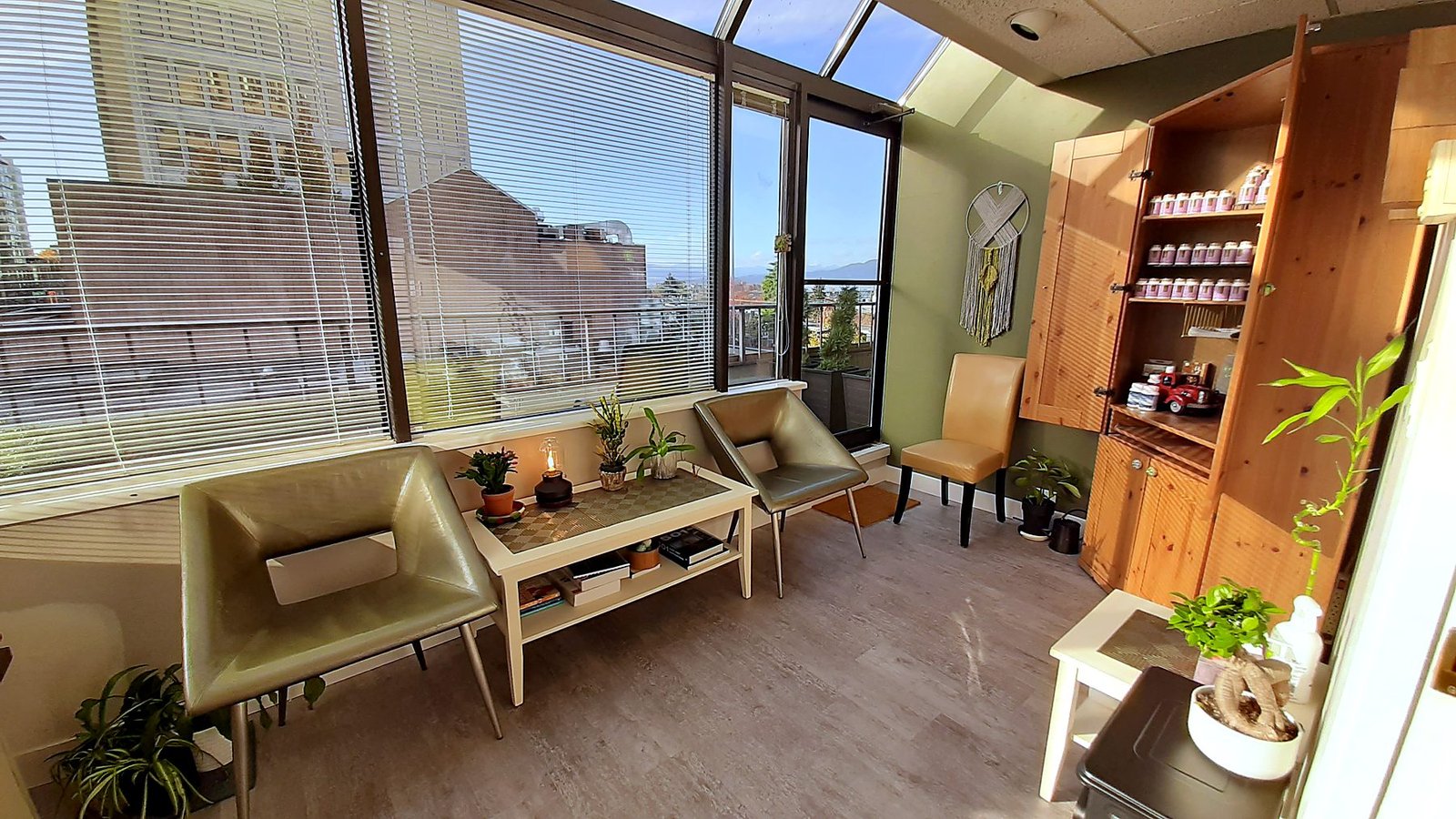
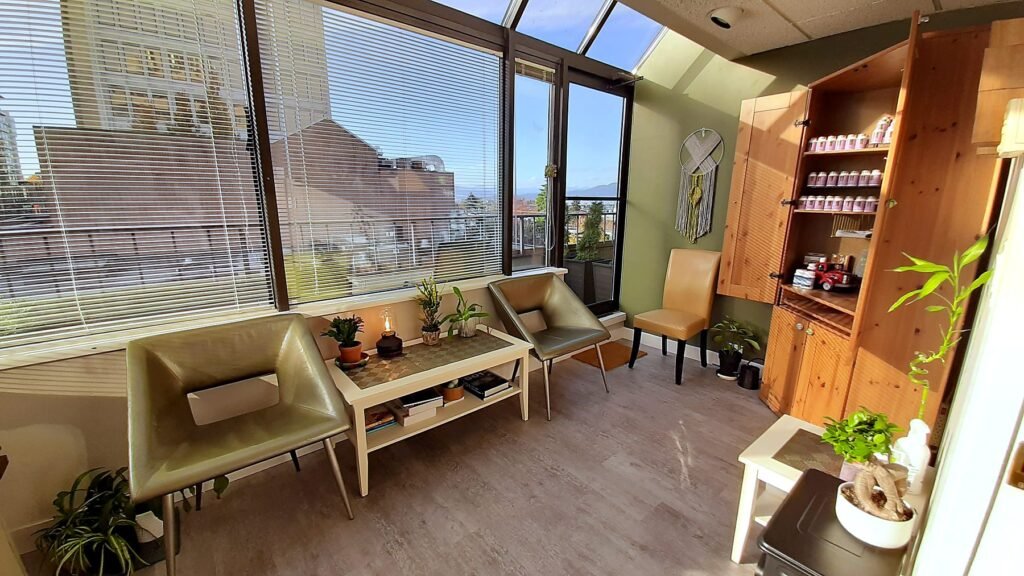
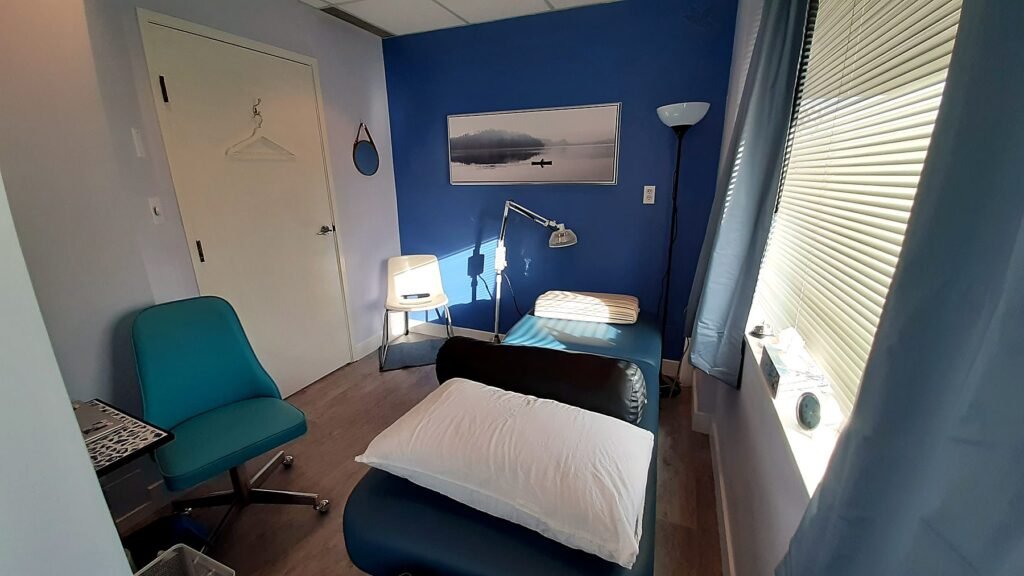
This practice occupies an upper-floor suite in a medical building on West Broadway. The building is full of medical practices seeing patients during the day, and its requirements kept construction noise out of business hours. QUAY did all of the work after hours and on weekends, and the Fairview chiropractic office renovation was completed in two weeks. Neighbouring practices kept seeing patients as usual.
What made two weeks possible was the work done before day one. Flooring and paint selections were agreed up front and materials were ordered so everything was on hand before the start. Once the old flooring and built-ins were out, one site supervisor ran the trades in sequence: flooring, drywall repairs, ceiling tiles, the interior window and finishing carpentry, then painting last. QUAY estimates the same scope would cost about $19,500 + GST in 2026.
False Creek health clinic: weekend coring, one phase
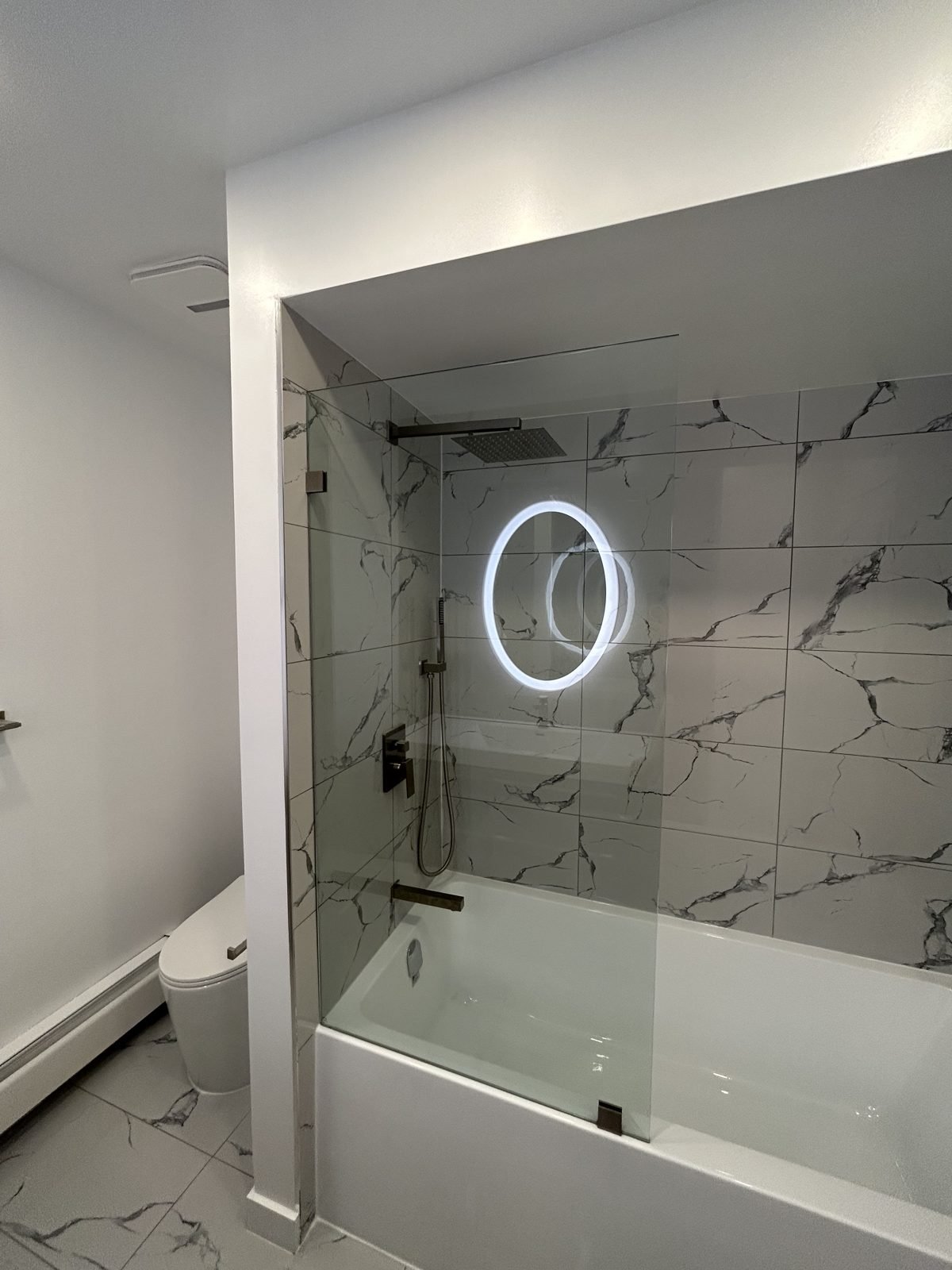
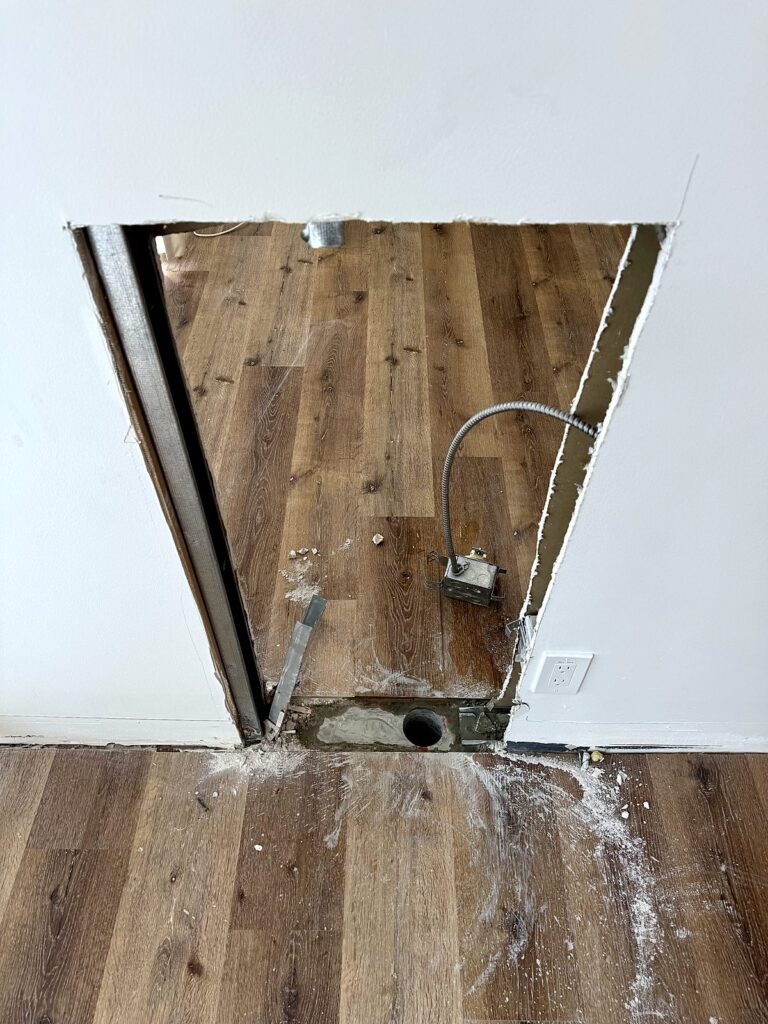
This clinic needed six new hand sinks in its treatment and recovery rooms to meet Vancouver Coastal Health requirements, and wanted one recovery room divided into three. Every sink needed a new drain through the concrete slab, with a parkade below. On the False Creek health clinic tenant improvement, the slab was scanned first and the coring was scheduled on weekends, when the parkade below could be completely cleared. A building water shut-off was coordinated with management for the plumbing connections.
The rest of the work ran during regular hours with site protection in place. All materials were ordered before work started, and the project was planned to finish in a single phase: four weeks of construction, completed in June 2024, for a contract of about $67,000 + GST. It shows that not every task has to be after hours. Often only the loudest steps, or the ones that affect the whole building, need special scheduling.
Office and warehouse work can be coordinated the same way. For Five Star Building Services in Burnaby, QUAY renovated two office floors and the warehouse in one coordinated schedule of about eight weeks, with change orders priced and approved before the work was done.
What staying open does to cost and schedule
After-hours and weekend work is planned and priced in from the start, so it is part of the fixed-price proposal you approve rather than a surprise later. Building costs can come on top: landlords may ask for deposits, insurance, after-hours security or elevator bookings. Typical construction time, before any phasing, is 4 to 6 weeks for a small office, 4 to 8 weeks for a medical or dental clinic, and 8 to 12 weeks for a retail store or restaurant, with design and permits scheduled before that. Cost per square foot by type of space is in the commercial renovation cost guide.
Checklist: planning a renovation you can stay open through
- Get the building’s construction rules. Permitted work hours, elevator bookings, loading, common-area protection and any security requirements.
- Check the City’s noise hours. If any noisy work has to happen outside 7:30am to 8pm on weekdays or 10am to 8pm on Saturdays in Vancouver, apply for an exception permit at least three weeks ahead.
- Agree the phases. Which areas close, in what order, for how long, and how staff and customers get around them.
- Keep the essentials working. Entrances, routes and washrooms stay usable in every phase.
- Book the disruptive tasks. Coring, water or power shut-offs and deliveries go on dates agreed with building management.
- Order materials before the start. Have everything on hand before work begins, as both projects above did.
- Tell your neighbours and customers. Let them know the dates and hours of noisy work.
If you’re still choosing a unit, our pre-lease checklist covers building rules worth checking before you sign, and the tenant improvement process shows where construction fits between the lease and opening day.
Common questions
Can my business stay open during a renovation?
Often, yes. QUAY regularly builds while businesses stay open, scheduling noisy work after hours and on weekends, phasing the space so parts of it stay in use, and setting up the site so staff and customers can use the business safely. Whether it works for your project depends on the scope, the building and how much separation is possible, so it’s confirmed when the space is walked.
Can contractors work on Sundays in Vancouver?
The City’s noise by-law page says no construction-related noise is permitted on private property on Sundays or holidays. Construction noise outside the permitted hours needs a noise by-law exception permit.
Does after-hours work cost more?
It’s planned and priced into the proposal from the start, along with any building requirements such as after-hours security or elevator bookings, so the price you approve already reflects the schedule.
How long does a phased renovation take?
It depends on the scope and the number of phases. Work phased around staff is scheduled from the full scope, and the proposal shows how long each phase runs. The Fairview clinic took two weeks of after-hours and weekend work; the False Creek clinic took four weeks in one phase.
Planning work in a space that has to stay open? Tell QUAY what you do, your hours and your building, and we’ll walk the space, set out the phases and give you a fixed-price proposal.
Sources: City of Vancouver, Noise control by-law and Noise by-law exception permit. QUAY approach, costs and timelines from the tenant improvements, medical clinic, retail, restaurant and office renovation pages and the commercial renovation cost guide; project details from the project pages linked above.
Need to stay open while you renovate?
Related Posts